
Table of Contents
1. What is cyclone fencing parts?

Cyclone fencing parts typically refer to the various components and elements that make up a fence. Fences serve various purposes, including providing security, marking property boundaries, enhancing privacy, and adding aesthetic appeal to a property.
The specific parts of a fence can vary depending on the type and design of the fence, but some common components include posts, rails, pickets or panels, pickets or panels, gates, caps etc.
2. Types of cyclone fencing parts
cyclone fencing parts consist of various components, each serving a specific purpose in providing structure, stability, and security. The specific types of cyclone fencing parts may vary depending on the style and purpose of the fence, but here are common components of various fences.
2.1 Types of cyclone fencing parts
Cyclone fence is a type of woven fence usually made from galvanized or coated steel wire. It consists of various parts that work together to create a sturdy and effective barrier. Here are the main types of cyclone cyclone fencing parts:
Mesh: The main body of the fence is the mesh, which is formed by weaving the steel wires in a diamond pattern. The size of the diamond-shaped openings can vary depending on the intended use of the fence.
Line Posts: These are vertical posts that support the main structure of the fence. Line posts are spaced evenly along the length of the fence.
Terminal Posts: Terminal posts are larger and stronger than line posts. They are placed at the corners or ends of a fence and provide additional support and stability.
Top Rail: The top rail is a horizontal pipe or tube that runs along the top of the fence, connecting the terminal and line posts. It adds strength to the overall structure and helps to prevent the fence from sagging.
Tension Bands: Tension bands are used to attach the mesh to the line posts. They are typically placed at the top and bottom of each line post and are secured with bolts.
Tension Wire: Tension wire, also known as bottom wire, is a horizontal wire that runs along the bottom of the fence, adding stability and preventing the bottom of the fence from sagging.
Tie Wires: Tie wires are used to secure the mesh to the top rail and line posts. They are typically made of the same material as the fence and are twisted around the mesh and the support structure.
Tension Bar: Tension bars are used to create tension in the mesh. They are threaded through the end of the mesh and attached to the tension bands on the line posts.
Gate: Gates are openings in the fence that allow for entry and exit. They consist of a frame, mesh, and various hardware components such as hinges and latches.
Tensioning Device: This device is used to adjust the tension in the fence, ensuring that it remains taut and secure. Tensioning devices can include turnbuckles or ratchets.
2.2 Types of welded fence part
Welded fences are commonly used for various purposes, including security, privacy, and decorative applications. These fences are constructed by welding individual components together. Here are some common types of welded cyclone fencing parts:
Panels: These are large sections of the fence that consist of welded wire or metal bars. Panels are the main building blocks of a welded fence and are typically connected to form the overall structure.
Posts: Fence posts are vertical supports that provide stability and help to anchor the fence. These are often made of metal, such as steel or aluminum, and are installed at regular intervals along the fence line.
Rails: Horizontal bars that run between the fence posts, connecting and reinforcing the panels. Rails add structural integrity to the fence and contribute to its overall strength.
Brackets: These are metal components used to attach panels to posts and rails. Brackets are crucial for ensuring a secure and stable fence structure.
Gates: Welded gates are used to create entry points in the fence. They are constructed similarly to fence panels but with hinges and a latch mechanism, allowing them to swing or slide open and closed.
Caps and Finials: Decorative elements that are often placed on top of fence posts. Caps cover the exposed ends of posts to protect them from the elements, while finials add a decorative touch to the fence.
Mesh or Pickets: In some welded fences, particularly those with a mesh design, individual wires or metal pickets are welded together to form a continuous barrier. This type of construction is common in chain-link or ornamental fences.
Tension Bands: Used in chain-link fences, tension bands secure the mesh to the fence posts. These are crucial for maintaining the stability and integrity of the chain-link fence.
Ties or Fasteners: These are used to secure the mesh or pickets to the rails, posts, or other structural components. They can be wires or specialized fasteners, depending on the type of fence.
Base Plates: In some cases, fences are mounted on a concrete surface. Base plates are used to anchor the fence posts securely to the concrete.
2.3 Types of expanded fence part
Expanded metal is a type of sheet metal that has been cut and stretched to form a pattern of metal mesh with diamond-shaped openings. Expanded fence part can be made from various materials, including steel, aluminum, stainless steel, and more.
Panels/Sections: The main body of the expandable fence consists of interconnected panels or sections that can be expanded or contracted to adjust the size of the enclosure.
Frame: The frame provides structural support to the panels and helps maintain the shape of the fence.
Hinges: Hinges allow the panels to pivot and fold, enabling the fence to expand and collapse.
Locking Mechanism: An expandable fence may have a locking mechanism to secure the panels in place when fully expanded or to keep them folded when contracted.
Rollers or Sliders: These components facilitate smooth expansion and contraction by allowing the panels to slide or roll into position.
Latches or Clips: These are used to secure the panels together when the fence is expanded.
Posts: If the expandable fence is designed to be installed permanently, posts may be used to anchor and support the fence structure.
Feet or Bases: In portable or temporary expandable fences, there may be feet or bases that provide stability without the need for permanent installation.
Mesh or Material: Depending on the design, the panels may be made of mesh, metal, wood, or another material to create a barrier.
Adjustment Mechanism: Some expandable fences have a mechanism to adjust the height or width of the fence, allowing for customization.
2.4 Types of wooden cyclone fencing parts
Wooden fences are typically constructed from several key parts or components, each serving a specific purpose in the fence’s structure and functionality. Here are some common types of wooden cyclone fencing parts:
Posts
Corner Posts: Placed at the corners of the fence to provide stability and support.
Line Posts: Positioned between corner posts to support the fence panels.
End Posts: Installed at the ends of a fence line to finish the run.
Rails
Horizontal boards that run between the posts and provide structural support for the fence.
Top Rail: The uppermost horizontal board, often serving an aesthetic or decorative purpose.
Bottom Rail: The lower horizontal board, adding stability and support to the fence.
Pickets or Panels: Vertical boards attached to the rails, forming the main body of the fence. Pickets can be spaced apart for a more open design or placed close together for increased privacy.
Cap: A decorative or protective element placed on top of the fence posts. It helps prevent water from entering the end grain of the posts, extending their lifespan.
Post Caps: Decorative caps placed on top of each fence post for aesthetic purposes. They come in various styles, such as flat, pyramid, or ball-shaped caps.
Kickboard: A horizontal board installed at the bottom of the fence, providing protection against damage from lawnmowers, weed trimmers, or other potential hazards.
Gates: Hinged sections that allow entry and exit through the fence. Gates can be standalone or integrated into the fence line.
Braces: Diagonal supports used to reinforce the structure, especially in larger fences. Braces are often found in corner posts to prevent sagging or leaning.
Hinges and Latches: Hardware used to attach gates to the fence and allow for opening and closing. Hinges enable the gate to swing, while latches keep it securely closed.
Nails, Screws, and Fasteners: Used to secure various components of the fence together. Galvanized or rust-resistant fasteners are often preferred to prevent corrosion.
3. The mesh size of fence panels parts
The mesh size of fence panels parts can vary depending on the specific type and purpose of the fence. Mesh size refers to the dimensions of the openings in the fence material, typically measured in inches or millimeters.
Different types of fences serve different purposes, and their mesh sizes are chosen accordingly. Here are some common types of fences and their typical mesh sizes.
3.1 Chain link fence panels parts
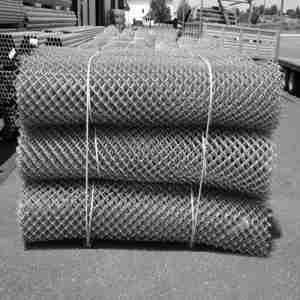
Mesh sizes for chain link fence panels parts can vary, but common sizes include 1.75 inches to 2.375 inches (44.5 mm to 60.3 mm) for residential applications and larger sizes for commercial or industrial use.
3.2 Welded wire fence panels parts
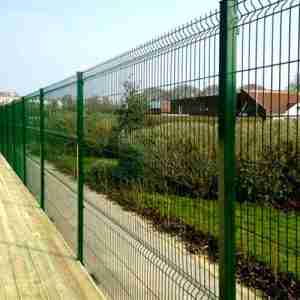
Welded wire fence panels parts often come with mesh sizes ranging from 1/2 inch to 4 inches (12.7 mm to 101.6 mm). The size can vary based on the intended use, such as garden fencing or animal containment.
3.3 Farm or agricultural fence panels parts
Farm or agricultural fence panels parts used in agriculture, such as field fencing or livestock fencing, may have larger mesh sizes, typically ranging from 4 inches to 12 inches (101.6 mm to 304.8 mm) or more, depending on the type of animals being contained.
3.4 Security fence panels parts

Security fence panels parts typically have smaller mesh sizes to enhance security. Mesh sizes can range from 1/2 inch to 2 inches (12.7 mm to 50.8 mm) or even smaller, depending on the level of security required.
3.5 Privacy fence panels parts
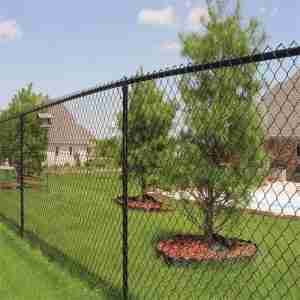
Privacy fence panels parts may use solid panels or have smaller mesh sizes to block the view. Mesh sizes can vary, but they are generally smaller than those used in open-style fences.
4. Design of 4x6 cyclone fence panels parts

Designing 4×6 cyclone fence panel involves creating a sturdy and functional structure with several key components. Here’s a basic outline of the parts and their design considerations.
4.1 Frame
Use durable materials for the frame, such as galvanized steel or aluminum, to resist corrosion. For a 4×6 panel, create a rectangular frame measuring 4 feet in height and 6 feet in width. Consider the gauge of the metal based on the intended use (e.g., residential, commercial, industrial).
4.2 Mesh/Fabric
Select a durable and weather-resistant mesh material. Commonly used materials include galvanized steel, vinyl-coated steel, or aluminum.Ensure the mesh spacing is appropriate for the intended purpose (e.g., smaller spacing for security fences, larger spacing for residential fences).
4.3 Top Rail
Include a top rail for additional stability and to prevent the fence from bowing. Use a material similar to the frame, such as galvanized steel or aluminum. Ensure the top rail is securely connected to the frame, providing strength and rigidity.
4.4 Line Posts
Include line posts at regular intervals (typically 6 to 10 feet apart) to support the fence and maintain stability. Choose sturdy materials for the posts, such as galvanized steel or aluminum. Ensure the posts are securely anchored into the ground to provide stability.
4.5 End Posts and Corner Posts
Use stronger and more robust end and corner posts to support the tension of the fence. Anchor these posts securely, possibly with concrete, to withstand wind and other environmental factors.
4.6 Tension Bands and Brace Bands
Integrate tension bands to secure the mesh to the posts, providing tension and stability. Brace bands can be used to connect the top rail to the corner and end posts, enhancing overall structural integrity.
4.7 Tension Wire
Include tension wire at the bottom of the fence to prevent sagging. Secure the tension wire tightly to the bottom of the fence fabric and line posts.
4.8 Gate (Optional)
If the panel includes a gate, design it with a sturdy frame and reliable hinges.
Consider including a latch mechanism for easy opening and closing.
4.9 Finishing
Consider applying a weather-resistant coating to all metal components to prevent corrosion. Ensure that all connections are securely fastened using appropriate hardware.
5. Features of black cyclone fence panels parts
Black cyclone fence panels parts are made of galvanized steel wire woven into a mesh pattern. These fences are known for their durability, affordability, and versatility. If you are specifically referring to black chain-link fence panels, here are some features you might find.
5.1 Material
Black cyclone fence panels are typically made of galvanized steel wire that is coated with a black vinyl or polyester powder coating. This coating not only adds an aesthetic appeal but also provides additional protection against corrosion and rust.
5.2 Durability
Chain-link fence panels are commonly made of galvanized steel, which helps prevent rust and corrosion. Some panels may also have additional coatings or treatments for enhanced durability.
If the panels are black, they likely have a black vinyl coating or paint. This coating not only adds an aesthetic appeal but also provides an additional layer of protection against the elements, improving durability.
The durability of a chain-link fence also depends on the size of the mesh and the gauge of the wire. A smaller mesh size and a thicker wire gauge generally result in a stronger and more durable fence.
5.3 Versatility
Chain-link fences, including black cyclone fence panels, are versatile and can be used for various purposes. They are commonly used for residential boundaries, commercial properties, sports fields, and industrial areas.
5.4 Low Maintenance
Black cyclone fence is a popular choice for many property owners due to its durability, affordability, and low maintenance requirements.
Black cyclone fence panels are typically made of galvanized steel, which provides excellent corrosion resistance. The galvanization process involves coating the steel with a layer of zinc, protecting it from rust and other environmental elements.
Galvanized steel inherently resists rust, ensuring the fence remains sturdy and visually appealing even in harsh weather conditions. This rust resistance contributes significantly to the low maintenance of black cyclone fence panels.
Since black cyclone fence panels are made of steel, they are not susceptible to issues like rotting or warping, common in wood fences. This contributes to the longevity and low-maintenance nature of these fences.
Unlike wood fences, black cyclone fences are not susceptible to insect infestations, reducing the need for pest control measures and making them a low-maintenance option.
5.5 Security
Chain-link fences provide a level of security by creating a barrier that is difficult to climb or cut through. The transparency of the mesh also allows for visibility, making it easier to monitor the area.
5.6 Customization
Black cyclone fence panels can be customized in terms of height and mesh size to suit specific requirements. This allows for flexibility in adapting the fence to different applications.
5.7 Cost-Effective
The choice of material significantly affects the cost. Common materials for fencing panels include wood, vinyl, metal, and composite materials. Determine the most suitable material for your needs and budget.
Opt for materials that are durable and resistant to weather conditions, corrosion, and wear. This can reduce the need for frequent replacements or repairs, ultimately saving you money in the long run.
Low-maintenance materials can be more cost-effective over time. Consider materials that require minimal upkeep, such as vinyl or aluminum, to avoid ongoing expenses related to painting or sealing.
5.8 Quick Installation
Chain-link fences are relatively quick and straightforward to install compared to some other types of fences, which can contribute to cost savings.
6. Can cyclone fencing panels be used for privacy?
Cyclone fencing panels are typically not the best choice for providing privacy. These fences are known for their open weave design, which allows air and light to pass through easily. While they are effective for security and defining boundaries, they do not offer much in terms of privacy.
If privacy is a primary concern, you may want to consider other types of fencing materials that provide better coverage. Some alternatives include:
Wooden Fencing: Solid wood panels or picket fences can offer excellent privacy. You can choose from various styles and heights to suit your preferences.
Vinyl Fencing: Vinyl fences can mimic the appearance of wood but require less maintenance. They come in various styles, including those that offer a high degree of privacy.
Privacy Slats: If you already have a chain-link fence in place, you can add privacy slats. These are thin, vertical strips that can be woven through the links to block the view.
Bamboo Fencing: Bamboo fences provide a natural and eco-friendly option for privacy. They can be installed as panels or rolls.
Metal Privacy Panels: Decorative metal panels can be used to create a unique and modern privacy fence. These panels are available in various designs and materials.
7. Conclusion
The conclusion about cyclone fencing parts depends on the specific context and the purpose of the discussion. However, I can offer a general conclusion about different cyclone fencing parts:
Cyclone fencing parts play a crucial role in the overall functionality, aesthetics, and security of a fence.
Whether it’s a simple garden fence or a robust security perimeter, each part contributes to the fence’s effectiveness. Common cyclone fencing parts include posts, rails, pickets, panels, gates, and various hardware components.
In conclusion, a well-designed and properly assembled fence with high-quality parts can enhance the curb appeal of a property, provide privacy, define boundaries, and offer security. Regular maintenance and periodic inspections are essential to ensure the longevity and optimal performance of the cyclone fencing parts over time.
