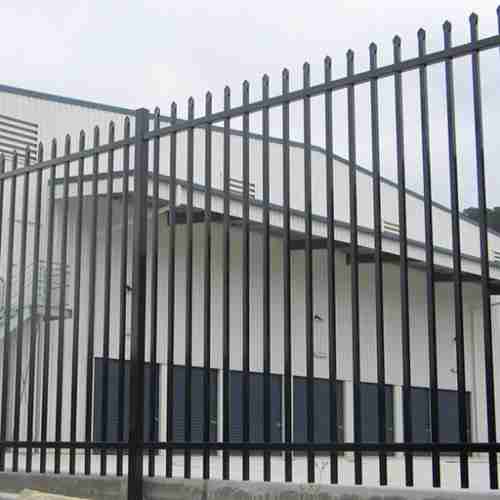
Table of Contents
1. What is industrial metal security fencing?

Industrial metal security fencing refers to a type of fencing constructed using metal materials, typically steel or aluminum, to provide high levels of security and protection for industrial or commercial properties.
This type of fencing is designed to deter unauthorized access, secure the perimeter, and safeguard valuable assets or sensitive areas within a facility.
2. How to choose industrial metal security fencing
Selecting industrial metal security fencing involves considering several key factors to ensure it meets the specific security needs of the site. Here are steps to guide you through the selection process.
2.1 Define Security Requirements
Assess the level of security needed. Consider factors such as the perimeter size, the value of assets being protected, and any specific security threats prevalent in the area.
The primary purpose of industrial metal security fencing is to establish a secure perimeter around a property or facility. The fencing should be robust and difficult to breach, providing a clear boundary to deter unauthorized access.
The height of the fence is crucial for security. A taller fence can deter climbing or scaling attempts, while certain designs with anti-climb features (e.g., angled tops, pointed pickets) can further discourage unauthorized access.
2.2 Material Selection
Selecting the right industrial metal security fencing involves considering various factors such as security requirements, durability, cost, and aesthetics. Here are steps and considerations to help you choose the appropriate metal security fencing:
Steel: Durable and strong, suitable for high-security areas.
Aluminum: Lighter than steel, resistant to corrosion, and suitable for moderate security needs.
Iron: Offers a classic aesthetic but may require more maintenance due to susceptibility to rust.
2.3 Height and Design
Determine the optimal height and design of the industrial metal security fencing. Taller fences with anti-climb features are more secure. Designs might include mesh, chain-link, or solid panels. Additionally, consider features such as barbed wire or spikes at the top for added security.
Determine the optimal height based on security needs and local regulations. Industrial fencing typically ranges from 6 to 10 feet in height, but it can be higher for enhanced security.
Consider the appearance of the fence. It should not only provide security but also complement the industrial area’s aesthetics. Choose a design that suits the surroundings and provides a professional look.
2.4 Gates and Entry Points
Determine the number and location of entry points needed. Choose gates that complement the industrial metal security fencing’s security level and design. Consider adding access control systems like electronic keypads, card readers, or biometric scanners.
2.5 Weather Resistance
When selecting industrial metal security fencing, weather resistance is a critical factor to consider for long-lasting durability and functionality.
It’s highly resistant to corrosion and rust, making it a preferred choice for outdoor use. Look for fencing that is hot-dip galvanized or has a high-quality zinc coating to enhance its weather resistance.
Lightweight and naturally corrosion-resistant due to its oxide layer, but it may not be as strong as steel. Powder coating adds an extra layer of protection against the elements. It’s available in various colors and extends the lifespan of the fence by protecting against rust and corrosion.
2.6 Budget and Maintenance
Choosing industrial metal security fencing involves several considerations, including budget, maintenance, and specific security requirements.
Determine the level of security needed for your industrial site. Consider factors such as the site’s location, potential threats, and the value of assets to be protected. Higher-security areas might need taller, stronger fences with added features like anti-climb measures.
Establish a budget for the installation and maintenance of the fence. The choice of material, additional security features, and installation costs will impact your budget. Steel and wrought iron tend to be more expensive initially but might require less maintenance in the long run compared to aluminum or chain-link.
2.7 Local Regulations
When choosing industrial metal security fencing, it’s essential to consider local regulations and standards that govern the installation, specifications, and compliance requirements.
Typically, industrial metal security fences are made of steel, aluminum, or wrought iron. The choice may depend on factors like durability, cost, and specific security needs.
Regulations often stipulate the minimum and maximum fence heights allowed in industrial areas. Additionally, some areas might have design guidelines concerning fence aesthetics.
2.8 Testing and Certification
When selecting industrial metal security fencing, it’s crucial to consider various factors to ensure it meets your specific needs and regulatory requirements. Testing and certification play a vital role in assessing the quality, durability, and security level of these fences.
Look for fencing made from high-quality materials, such as steel or aluminum, known for their strength and durability. Check if the material has undergone testing for its resilience against weather, corrosion, and potential damage.
Ensure the fencing meets industry standards and certifications for security. For example, in the United States, ASTM International provides standards for metal fencing materials that you can refer to when selecting products.
2.9 Future Expansion or Modifications
Selecting industrial metal security fencing involves several crucial considerations for future expansion or modifications.
Choose a fencing system that allows for future expansion or modifications without extensive reconstruction. Modular designs or systems that accommodate additional panels or components easily are preferable.
Opt for high-quality materials like steel or aluminum that are durable and can withstand modifications or expansions without compromising security. Ensure that the material is resistant to corrosion and rust.
Select a fencing system that offers customization options to adapt to changing security needs. This could include gates, different heights, additional security features like barbed wire or anti-climb features, and the ability to integrate new technology (e.g., CCTV cameras, sensors).
3. Maintenance of industrial metal security fencing
Maintaining industrial metal fencing is crucial to ensure its effectiveness in providing security and protection. Regular maintenance helps prevent corrosion, structural issues, and other problems that can compromise the integrity of the fence. Here are some general guidelines for maintaining industrial metal security fencing.
3.1 Regular Inspections
Regular inspections of industrial metal security fencing are crucial to ensure its effectiveness in providing security and safety.
Establish a routine inspection schedule. The frequency may vary based on factors such as weather conditions, the fence’s location, and its susceptibility to damage. Inspections could be weekly, bi-weekly, monthly, or quarterly.
Conduct thorough visual inspections of the entire fencing perimeter. Look for signs of damage, corrosion, wear and tear, loose bolts, bent sections, or any irregularities that might compromise security.
Ensure that the fencing structure is intact and properly aligned. Look for any sections that might have been damaged due to external factors or attempted breaches.
3.2 Cleaning
Maintenance of industrial metal security fencing is crucial to ensure its longevity and effectiveness in providing security.
Periodically clean the fencing to remove dirt, debris, and any buildup. Use a brush, sponge, or pressure washer to remove accumulated grime. Mild soap or detergent and water can be used for stubborn stains or grease.
Metal fencing is susceptible to rust, especially if exposed to moisture or harsh weather conditions. Apply a rust-resistant coating or paint to the fencing to provide a protective barrier. Rust spots should be treated with a rust converter or removed with a wire brush before applying a new protective coating.
3.3 Rust Prevention
Industrial metal security fencing is susceptible to rust, especially in harsh weather conditions. Apply a rust-inhibiting primer and paint to prevent corrosion. Touch up any chipped or scratched areas promptly to prevent rust from spreading.
Conduct frequent inspections to identify signs of rust or corrosion early. Check for any scratches, chips, or areas where the protective coating might have been compromised.
If rust appears, remove it promptly to prevent further corrosion. Use a wire brush, sandpaper, or a rust remover to eliminate the rust from the affected areas. Ensure the surface is clean and dry before proceeding with the next steps.
3.4 Lubrication
Maintaining industrial metal security fencing involves various steps, including lubrication to ensure its longevity and functionality. Lubrication primarily concerns hinges, moving parts, and locking mechanisms.
Regularly inspect the fence for signs of wear, rust, or stiffness in moving parts. Identify areas that need lubrication.
Before applying lubricant, clean the parts using a mild detergent or degreaser to remove dirt, grime, and old lubricants. Use a brush or cloth to scrub off any residue. Ensure the parts are completely dry before applying lubrication.
Choose a suitable lubricant based on the fence’s material and the components that need lubrication. For metal fences, consider using silicone-based or dry-film lubricants as they offer good protection against rust and corrosion.
Apply the lubricant to hinges, pivot points, locks, and other moving parts. Use a spray or a lubricant applicator to reach inaccessible areas. Be cautious not to over-lubricate, as excess lubricant can attract dirt and debris, leading to potential issues.
3.5 Repair Damages Promptly
Maintaining industrial metal security fencing is crucial to ensure its effectiveness in providing security and protection.
Conduct routine inspections to identify any damages, wear, or weaknesses in the fencing. Check for rust, bent sections, loose bolts, broken wires, or any signs of damage caused by weather or external factors.
Repair any damages as soon as they are discovered. Replace broken or bent sections, tighten loose bolts or fasteners, and straighten any misaligned parts. Quick action prevents further deterioration.
3.6 Protective Coatings
Maintaining industrial metal security fencing involves several key steps, particularly when it comes to applying protective coatings. Ensure the fencing surface is thoroughly cleaned, free of rust, dirt, and other contaminants. Use a wire brush, sandblasting, or chemical treatment to remove rust and debris.
Apply a suitable primer that is designed for metal surfaces. The primer helps in enhancing adhesion and providing a stable base for the topcoat.
3.7 Trim Vegetation
Maintaining vegetation around industrial metal security fencing is crucial for various reasons, including security, aesthetics, and functionality. Conduct routine inspections to identify areas where vegetation is encroaching on the fencing. This allows for early intervention and prevents overgrowth.
When performing trimming or maintenance tasks, use appropriate safety gear such as gloves, goggles, and long-sleeved clothing to protect yourself from scratches, thorns, or debris.
Use the right tools for trimming vegetation, including pruners, shears, hedge trimmers, or power tools like brush cutters or chainsaws, depending on the thickness and type of vegetation.
3.8 Snow and Debris Removal
Maintaining industrial metal security fencing during snowy and debris-filled conditions is crucial for ensuring its longevity and effectiveness. Schedule routine inspections of the fencing, especially after heavy snowfall or storms. Check for any damage, weakness, or areas where debris has accumulated.
Clear snow from the fencing to prevent excessive weight buildup, which can strain the structure. Use appropriate tools like snow shovels or snow blowers, ensuring not to damage the fencing during the process. Remove snow from both sides to prevent imbalances.
Remove debris such as branches, leaves, or any objects that might have accumulated on or around the fence. Trim nearby trees and vegetation to prevent debris accumulation during storms.
4. Can the industrial metal security fencing be easily repaired in case of damage?
The repair of industrial metal security fencing largely depends on the type of fencing material, the extent of damage, and the skill level of the person performing the repair.
Some types of fencing, like chain link or wooden fences, can be relatively straightforward to repair, while others, such as ornamental iron or stone fences, may require specialized tools or professional assistance. Here are common types of fencing and their repair considerations:
Wooden Fences: Damaged sections can often be replaced by removing the affected panels or boards and installing new ones. This type of repair usually requires basic carpentry skills and tools.
Chain Link Fences: Repairing a chain link fence usually involves replacing damaged sections of the mesh or posts. This can be done by unhooking the damaged part and attaching a new section of chain link using specialized tools.
Vinyl Fences: These fences are usually easier to maintain and repair. If a section is damaged, it may be possible to replace just the affected area rather than the entire fence.
Metal Fences (Wrought Iron, Aluminum): Repairing metal fences might require welding, grinding, or bending metal components. These repairs are often more complex and might need professional help.
Masonry or Stone Fences: Repairing these fences can be challenging and may require specialized skills in masonry to replace or repair damaged sections.
In general, minor damages such as small holes, cracks, or loose parts can often be repaired by homeowners with the necessary tools and skills. Regular maintenance and timely repairs can help prolong the life of a fence and minimize the need for major repairs.
5. Industrial metal security fence range
Industrial metal security fence come in various types and designs, each serving specific security needs. Here are some common types of industrial metal security fence panels.
5.1 Industrial Metal Security chain link fence

Industrial metal security chain link fence is a type of fencing commonly used to secure industrial properties, commercial areas, and other facilities that require enhanced security.
The most common material for industrial security chain-link fencing is galvanized steel, which provides durability and resistance to corrosion. Some may also have a PVC (polyvinyl chloride) coating for added protection and aesthetic appeal.
The mesh size of the chain-link pattern can vary, but for security purposes, a smaller mesh size is often preferred to prevent unauthorized access and climbing. Common mesh sizes are 1″ to 2″ (2.54 to 5.08 cm).
The gauge or thickness of the metal wire used in the chain-link fence is crucial for its strength. A higher gauge number indicates a thinner wire. Common gauges for industrial security fencing range from 9 to 12.
5.2 Industrial Metal Security Steel Palisade Fence
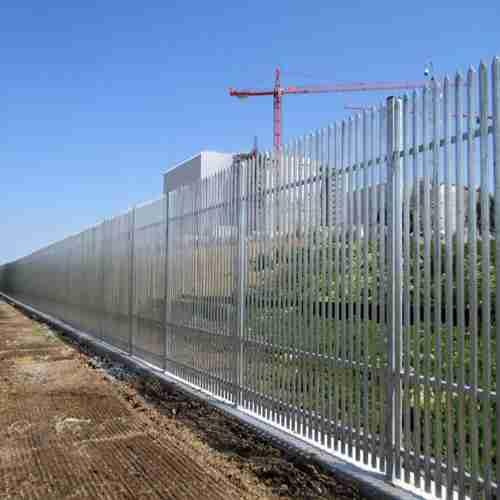
Industrial Metal Security Steel Palisade Fence is made of galvanized or coated steel, providing durability and resistance to corrosion, making it suitable for outdoor use and harsh weather conditions.
It offers a level of security by creating a strong barrier. The tight interlocking pattern makes it difficult for intruders to cut or breach the fence easily.
Chain-link fencing is robust and can withstand considerable pressure. It’s often used in industrial settings due to its ability to endure heavy impacts and resist damage. While providing security, chain-link fencing allows visibility, making it easier to monitor the enclosed area without obstructing the view entirely.
5.3 Industrial Metal Security Expanded Metal Panels
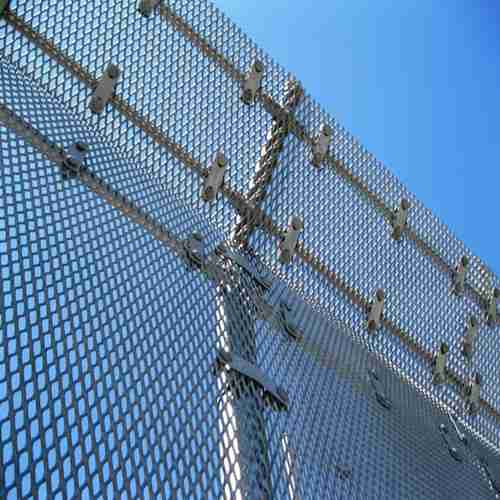
Industrial metal security expanded metal panels are manufactured by slitting and stretching a solid sheet of metal, such as steel, aluminum, or stainless steel, creating a pattern of diamond-shaped openings. The process of expanding the metal creates a mesh-like structure with raised strands.
Expanded metal panels are robust and difficult to break through, providing a high level of security against intrusion and vandalism. They allow for visibility and airflow while still acting as a barrier, making them suitable for areas where surveillance or airflow is necessary.
These panels can be customized in terms of aperture size, material, thickness, and dimensions to suit specific security needs. They are relatively cost-effective compared to other security measures while offering strong protection.
5.4 Industrial Metal Security Ornamental Steel Fence
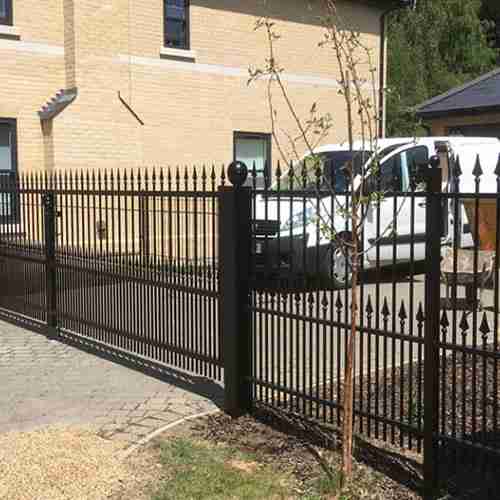
Industrial metal security ornamental steel fence is a type of fencing commonly used in industrial or commercial settings to provide security while also offering an aesthetically pleasing appearance. It combines the durability and strength of metal with decorative elements to enhance the overall look of the property.
The primary purpose of this fencing is to provide security and boundary demarcation for industrial or commercial properties. It serves as a deterrent to unauthorized access and enhances the overall safety of the premises.
Made of steel or other sturdy metals, this type of fencing is known for its strength and longevity. It can withstand harsh weather conditions and is resistant to corrosion, making it a reliable choice for long-term use.
Unlike plain metal fencing, ornamental steel fencing is designed with decorative elements such as finials, scrolls, or ornate patterns. This not only adds an attractive look to the property but also maintains a level of sophistication.
5.5 Industrial Metal Security Anti-Climb Fence

Industrial metal security anti-climb fence is a specialized type of fencing designed to enhance security and deter unauthorized access or intrusion into industrial or high-security areas.
It’s constructed using durable and robust materials, typically made of steel or other high-strength metals, to prevent climbing, cutting, or breaching.
The fencing is often tall, typically ranging from 6 to 10 feet or more, making it difficult for intruders to climb over. The design includes features that discourage climbing, such as anti-climb spikes, rotating toppers, or angled tops that make it challenging to grip or scale.
The fencing materials used, like steel or heavy-duty metal alloys, are chosen for their strength and resistance to cutting or tampering. The panels are often welded or bolted together for added security.
These fences may incorporate additional security measures such as tamper-proof fixings, anti-tunneling features, or mesh patterns that prevent intruders from gaining a foothold or leverage to breach the fence.
6. How durable and weather-resistant are these metal security fences?
The durability and weather resistance of metal security fences can vary depending on the type of metal used, the coating or finish applied, and the overall construction quality. Generally, metal fences are known for their strength and longevity, making them a popular choice for security purposes.
Common metals used in security fences include steel, aluminum, and wrought iron. Here are some considerations for each:
6.1 Steel Fences
Steel is a strong and durable material, providing excellent resistance to impact and bending. Steel can be prone to rusting if not properly coated or treated. Galvanized steel or steel with a powder-coated finish is more resistant to corrosion and can withstand various weather conditions.
6.2 Aluminum Fences
Aluminum is lightweight but still strong, and it doesn’t corrode like steel. It’s also resistant to rust. Aluminum is highly resistant to corrosion, making it suitable for coastal areas or places with high humidity. Some aluminum fences come with powder-coated finishes for added protection.
6.3 Wrought Iron Fences
Wrought iron is known for its strength and classic appearance. It is less susceptible to bending or warping. Like steel, wrought iron can rust if not properly maintained. Regular maintenance, such as painting and rust-proofing, is crucial for longevity.
To enhance the weather resistance of metal security fences, manufacturers often apply protective coatings, such as galvanization or powder coating. Galvanization involves coating the metal with a layer of zinc to prevent rusting, while powder coating provides a durable and weather-resistant finish.
Proper installation and maintenance are also essential factors in ensuring the longevity and effectiveness of metal security fences. Regular inspections, cleaning, and touch-ups can help prevent corrosion and other issues.
7. Conclusion
The implementation of industrial metal security fencing serves as a crucial element in safeguarding properties, facilities, and critical infrastructure. Its significance lies in providing robust perimeter protection, deterring unauthorized access, and enhancing overall security measures.
Metal security fencing creates a formidable physical barrier that deters trespassers, intruders, and unauthorized individuals from accessing restricted areas. Its durability and strength act as a first line of defense against potential threats.
The installation of industrial metal fencing significantly improves the overall security of industrial sites, warehouses, commercial properties, and other sensitive areas. It establishes clear boundaries and hinders unauthorized entry, reducing the risk of theft, vandalism, or other criminal activities.
Industrial metal fencing is engineered using robust materials like steel or aluminum, ensuring durability and longevity. It can withstand harsh weather conditions, corrosion, and external pressures, requiring minimal maintenance over time.
In conclusion, industrial metal security fencing stands as a critical asset in protecting assets, ensuring safety, and mitigating security risks for industrial and commercial entities. Its effectiveness, adaptability, durability, and overall contribution to enhancing security measures make it an indispensable component of comprehensive security strategies.
