
Table of Contents
1. What is green metal security fencing?
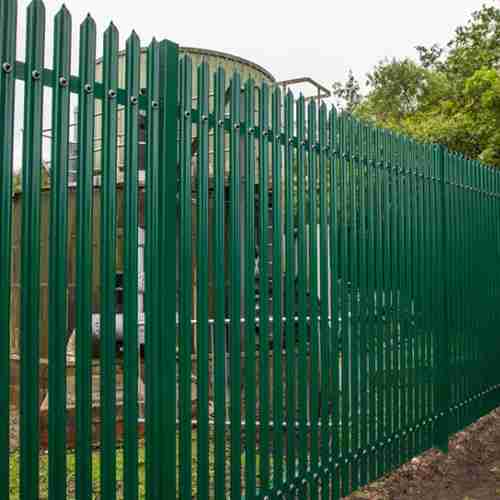
Green metal security fencing typically refers to fencing made of metal materials, such as steel or aluminum, that is designed primarily for security purposes and is coated or painted with a green finish.
This type of fencing is commonly used in various settings, including residential, commercial, industrial, and public spaces, to enhance security measures while providing a visually appealing appearance.
The green coating or paint on the metal fencing serves multiple purposes. It provides corrosion resistance, protecting the metal against rust and weathering, thus increasing the longevity of the fence.
Green metal security fencing comes in various styles and configurations, including chain-link fencing, mesh panels, ornamental wrought iron designs, and more. These fences are often used to secure boundaries, perimeters, industrial sites, parks, schools, airports, and other areas where security is a priority.
2. Features of green metal security fencing
Green metal security fencing typically refers to fencing designed to provide security and safety while offering a visually appealing green color. The specific features of green metal security fencing can vary based on the manufacturer and specific requirements, but here are some common features.
2.1 Material
Green metal security fencing can be made from various materials, each with its own advantages and applications.
Steel is a robust and commonly used material for security fencing. It offers high strength and durability, making it suitable for securing various areas. Steel fencing is often coated or painted green to provide corrosion resistance and blend with natural surroundings.
Aluminum fencing is lightweight yet durable, providing good security for many applications. It’s resistant to corrosion and can be powder-coated green for aesthetics and additional protection.
Wrought iron fences offer a classic and ornate look while providing security. Though less common due to its higher cost and maintenance requirements, wrought iron can be painted green for a traditional yet secure fencing option.
2.2 Powder-Coated Finish
Powder coating is a popular method for finishing metal surfaces, including those used in green metal security fencing. This process involves applying a dry powder to the metal surface, which is then heated to fuse and form a protective layer.
The result is a durable, attractive finish that provides excellent protection against corrosion, weathering, and scratches.
For green metal security fencing, the powder coating can be customized to achieve the desired shade of green. This finish not only enhances the aesthetics of the fencing but also adds a layer of defense against rust and other environmental damage.
2.3 Height and Design
The height and design of green metal security fencing can vary depending on the specific requirements, location, and purpose it serves.
Security fencing typically ranges in height from 4 feet to 8 feet, although taller fences can also be installed for enhanced security measures. The height of the fence often depends on the level of security needed and the site’s requirements.
Green Steel Security Fencing can be manufactured in various designs and styles, depending on the manufacturer and the intended use. Some common designs include chain-link fencing, welded wire mesh panels, palisade fencing, and ornamental iron or steel fencing.
2.4 Strength and Durability
Green metal security fencing can offer robust strength and durability depending on various factors including the material, construction, and maintenance.
Green metal security fencing can be made of various materials such as steel, aluminum, or wrought iron. Steel is often considered the most durable due to its strength and resistance to impact.
Aluminum is lighter and resistant to rust but might not be as strong as steel. Wrought iron is robust but can be susceptible to rust if not properly maintained.
The way the fencing is constructed greatly affects its strength. Welded or interlocking panels tend to be stronger than those held together by screws or fasteners. The gauge or thickness of the metal also plays a significant role in determining strength.
The green color might be a result of powder coating or paint. A quality powder coating can enhance durability by providing a protective layer that helps resist corrosion, scratches, and fading caused by weather exposure.
2.5 Customization
Customizing green metal security fencing can be approached in several ways, depending on your specific requirements and preferences.
While you’ve mentioned green, there might be specific shades or tones you prefer. Some manufacturers offer a range of green hues, allowing you to select the one that best suits your aesthetic or blends with the surroundings.
Fences come in various heights and sizes. Depending on your security needs, you might need taller or wider panels. Customizing the dimensions ensures the fence fits the designated area perfectly.
Metal security fencing can be made from different materials such as steel, iron, aluminum, or a combination. Each material has its own set of properties in terms of durability, maintenance, and cost. You might want to select the material that aligns best with your requirements.
2.6 Visibility and Privacy
Green metal security fencing can offer a balance between visibility and privacy depending on its design and construction.
The choice of material and design of the fencing can influence visibility and privacy. For instance, some fences may have closely spaced metal bars or mesh that restrict visibility from outside, providing a higher degree of privacy. Others may have wider gaps or be constructed with materials that allow more visibility.
Taller fences tend to offer more privacy by obstructing the view from the outside. Shorter fences may provide better visibility but compromise on privacy.
The green color may affect visibility. Darker shades of green can potentially provide more privacy by making it harder to see through the fence compared to lighter shades.
2.7 Maintenance
Maintaining green metal security fencing is essential to ensure its longevity, appearance, and effectiveness.
Periodically clean the fencing using a mild detergent or soap mixed with water. Use a soft brush or cloth to scrub off any dirt, debris, or grime that has accumulated on the surface. Rinse thoroughly with water afterward.
Check for signs of rust or corrosion regularly, especially in areas prone to moisture or exposure to harsh weather conditions. Use a rust-inhibiting primer and paint specifically designed for metal surfaces to touch up any spots showing signs of rust. This will help prevent further corrosion.
Routinely inspect the fencing for any signs of damage such as dents, scratches, loose bolts, or broken components. Repair or replace damaged parts promptly to maintain the security and structural integrity of the fence.
Over time, the paint on the metal fencing may fade or peel due to exposure to the elements. Consider repainting the fence every few years to maintain its appearance and protective coating. Prepare the surface properly by removing any rust, cleaning, and priming before applying a new coat of paint.
2.8 Compliance
Green metal security fencing can be subject to various compliance standards and regulations depending on the location, purpose, and specific requirements set by local authorities or industry standards. Compliance typically involves adherence to certain criteria related to safety, quality, and environmental considerations.
Fencing often falls under building codes and regulations enforced by local authorities. These codes might dictate the height, material, design, and placement of fences, particularly those intended for security purposes.
Security fencing might need to comply with specific security standards set by relevant industry bodies or organizations. These standards can involve features such as anti-climb measures, strength, and resistance to cutting or tampering.
The process for installing green metal security fencing can vary depending on the specific requirements of the project and the type of fencing being used. However, here’s a general overview of the steps involved in the installation process.
3.1 Planning and Preparation
Determine the area where the green metal security fencing will be installed and measure the perimeter accurately. Check local regulations and obtain necessary permits if required. Decide on the type, height, and style of green metal security fencing that suits your needs.
3.2 Gather Materials and Tools
Purchase the required materials including metal fence panels, posts, gates, concrete or gravel for posts, fasteners, and other necessary hardware. Gather tools such as a post hole digger, shovel, level, measuring tape, concrete mixer (if using concrete for posts), and other basic hand tools.
3.3 Marking and Layout
Mark the layout of the green metal security fencing using stakes and strings. Ensure the lines are straight and accurately represent the intended fencing line.
3.4 Digging Post Holes
Use a post hole digger or an auger to dig holes for the green metal security fencing posts along the marked line. The depth and diameter of the holes will depend on the type of fence and soil conditions.
Place the posts at regular intervals according to the manufacturer’s recommendations or your design plan.
3.5 Installing Fence Posts
Set the posts in the holes and use a level to ensure they are plumb (vertically straight). Fill the holes with concrete or gravel to secure the posts in place. Allow adequate time for the concrete to set before proceeding.
3.6 Attaching Fence Panels
Once the posts are securely set, attach the green metal fence panels to the posts using appropriate fasteners (screws, bolts, etc.). Ensure that the panels are level and properly aligned before securing them in place.
3.7 Adding Gates and Finishing Touches
Install gates if necessary, ensuring they are properly aligned and securely attached to the green metal security fencing posts. Check the entire fence line for any loose connections or areas that may need reinforcement. Add finishing touches such as post caps or additional security features if desired.
3.8 Clean Up
Remove any excess materials, debris, or tools from the installation site.
Inspect the entire fence once more to ensure everything is secure and in place.
Regularly inspect the fence for any signs of damage, corrosion, or wear and tear. Perform necessary maintenance such as repainting, tightening bolts, or replacing damaged parts to ensure the security and longevity of the fence.
4. Green metal security fencing materials
Green metal security fencing can be made from various materials, each with its own advantages in terms of durability, cost, and aesthetic appeal. Some common materials used for green metal security fencing include.
4.1 Steel
Steel is a popular choice for green metal security fencing due to its strength and durability. It can be coated or painted in green to provide the desired color while also offering excellent security features.
Steel is a robust and durable material commonly used in security fencing. It provides strength and longevity, making it suitable for securing perimeters and properties. The steel used in fencing might be galvanized (coated with a protective zinc layer) to enhance its resistance to rust and corrosion.
4.2 Aluminum
Aluminum is a commonly used material in the production of green metal security fencing due to its various advantageous properties.
Aluminum is known for its durability and ability to withstand harsh weather conditions without rusting or corroding. This makes it a great material for security fencing that needs to remain intact and functional for extended periods.
Despite its durability, aluminum is relatively lightweight compared to other metals like steel, making it easier to handle during installation while retaining strength and structural integrity.
Aluminum fencing typically requires minimal maintenance. It doesn’t need to be repainted frequently and is resistant to rust and corrosion, reducing the need for ongoing upkeep.
4.3 Wrought Iron
Wrought iron is a type of iron with a very low carbon content that is worked into various shapes using processes such as forging. It is known for its strength and durability, making it a popular choice for fencing and other architectural elements.
Green metal security fencing typically refers to fencing that is designed for security purposes and is often made of metal, such as wrought iron. The color green is a common choice for metal fencing, as it can blend well with the surroundings and provide a more aesthetically pleasing appearance.
4.4 Vinyl-Coated Fencing
Vinyl-coated green metal security fencing refers to fencing materials that have been coated with a layer of vinyl to provide additional protection and aesthetic appeal. Green metal security fencing specifically suggests that the fencing is made of metal and has a green vinyl coating, which is commonly used for security and decorative purposes.
The metal core of the fencing provides strength and durability, while the vinyl coating adds an extra layer of protection against corrosion, rust, and the elements. This makes the fencing more resilient and long-lasting.
The vinyl coating acts as a barrier, preventing the metal underneath from coming into direct contact with moisture and environmental elements. This helps to resist corrosion and maintain the integrity of the fence over time.
The green vinyl coating not only enhances the fence’s durability but also adds an aesthetic element. It provides a clean and uniform appearance that can complement the surroundings, making it suitable for both residential and commercial applications.
4.5 Mesh Fencing
Mesh fencing made from materials like steel or aluminum can be coated or painted green to serve as a secure barrier. Chain-link fences, for example, can be coated in green to blend with the surroundings while providing security.
Mesh fencing is a type of fencing that consists of a grid or network of metal wires or bars arranged in a crisscross pattern. It is commonly used for security purposes, providing a sturdy barrier to prevent unauthorized access and enhance the overall safety of a property.
5. Maintenance of green metal security fencing
Maintaining green metal security fencing helps ensure its longevity, appearance, and effectiveness in securing a property. Here are some tips for maintaining green metal security fencing.
5.1 Regular Cleaning
Periodically clean the fencing using mild soap or detergent and water. Use a soft brush or cloth to remove dirt, debris, and any buildup. Rinse thoroughly to prevent residue.
5.2 Inspection
Inspecting green metal security fencing is essential to ensure its effectiveness in providing security and protection.
Check for any visible signs of damage to the metal surface, such as dents, scratches, or rust. Address any issues promptly to prevent corrosion and maintain the structural integrity of the fence.
Examine the condition of the green coating or paint. Look for areas where the paint may be chipped or peeling, as this can expose the metal to the elements and accelerate corrosion.
Ensure that the fence posts are securely anchored in the ground. Loose or unstable posts can compromise the overall stability and security of the fencing. Inspect welded joints for signs of cracking or weakness. Reinforce or repair any compromised welds to prevent the fence from becoming structurally unsound.
5.3 Rust Prevention
Preventing rust on green metal security fencing involves a combination of proper maintenance, protective coatings, and proactive measures.
Ensure that the metal fencing is galvanized. Galvanization involves coating the metal with a layer of zinc, which provides a protective barrier against rust and corrosion. Galvanized steel is commonly used for outdoor applications due to its corrosion resistance.
Apply a powder coating to the metal surface. Powder coating is a durable and protective finish that helps prevent rust. It creates a barrier that shields the metal from moisture and other environmental elements.
Clean the fencing regularly to remove dirt, debris, and other contaminants that can contribute to rust formation. Use a mild detergent or soapy water and a soft brush or cloth to clean the surface. Rinse thoroughly and allow it to dry completely.
5.4 Repair Damage
Repairing damage to a green metal security fence will depend on the extent of the damage. Evaluate the damage to determine the extent and the type of repair needed. Identify any bent, broken, or twisted components.
Before starting any repairs, ensure the area is safe and free from any potential hazards. If necessary, cordon off the damaged area. Collect the necessary materials and tools for the repair. This may include replacement fence panels, posts, screws, bolts, nuts, and a screwdriver or drill.
If there are sections of the fence that are severely damaged and cannot be repaired, carefully remove those components. This may involve cutting away damaged sections or unscrewing bolts and nuts.
5.5 Vegetation Control
Controlling vegetation around green metal security fencing is important to maintain its effectiveness and appearance. Uncontrolled plant growth can compromise the integrity of the fence, create hiding spots for intruders, and lead to corrosion or damage over time.
Regularly trim and prune vegetation such as bushes, trees, and vines that may grow near or through the fencing. This prevents the plants from becoming entangled in the fence and minimizes hiding spots.
Use selective herbicides to control the growth of unwanted vegetation. Apply herbicides according to the manufacturer’s instructions, and be cautious not to damage the metal fence or harm surrounding vegetation.
5.6 Lubrication
Lubricating green metal security fencing can help prevent corrosion, reduce friction, and prolong the life of the components.
Before applying any lubricant, ensure that the fencing is clean and free from dirt, dust, and debris. You can use a mild detergent solution and a soft brush or cloth to clean the surface.
If there is existing rust on the metal fencing, use a rust remover or a wire brush to clean it off. This step is crucial for effective lubrication and preventing further corrosion.
Select a lubricant suitable for outdoor use and metal surfaces. Silicone-based or PTFE lubricants are good options. They provide a protective coating and are resistant to water and extreme temperatures.
5.7 Protective Measures
Green metal security fencing is commonly used to provide protection and secure perimeters in various settings such as residential properties, commercial facilities, industrial sites, and government installations. To enhance the effectiveness of green metal security fencing, several protective measures can be implemented:
Height and Design: Ensure the fencing is tall enough to discourage climbing or scaling. Choose a design that minimizes footholds and handholds, making it difficult for intruders to gain leverage.
Anti-Climb Features: Add anti-climb features such as angled or curved tops, rotating spikes, or finials to deter individuals from attempting to climb the fence.
Durability and Material Selection: Use high-quality, durable materials to construct the fence, such as corrosion-resistant metals like galvanized steel or aluminum.
Regular maintenance should be conducted to address any signs of wear, rust, or damage promptly.
5.8 Professional Inspection
Inspecting green metal security fencing is an essential task to ensure the safety and security of a property.
Begin by reviewing any documentation related to the fencing, such as installation plans, maintenance records, and warranties. This information can provide insights into the specific features and requirements of the fencing system.
Perform a visual inspection of the entire length of the green metal security fencing. Look for any signs of damage, corrosion, rust, or wear. Pay special attention to areas that are prone to stress, such as gates, corners, and joints.
Ensure that the fencing is installed according to the manufacturer’s specifications and industry standards. Check the alignment, height, and spacing of the fence panels. Verify that all fasteners, brackets, and connectors are securely in place.
6. Are there different styles or designs of green metal security fence posts available?
There are various styles and designs of green metal security fence posts available in the market. The choice of design often depends on the intended purpose, aesthetic preferences, and security requirements. Some common styles and designs include.
6.1 Round Posts
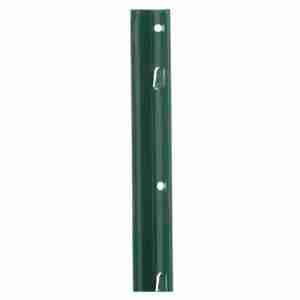
These are cylindrical posts typically used in chain-link fences. They come in different diameters and heights to accommodate various fence sizes and security needs.
6.2 Square or Rectangular Posts
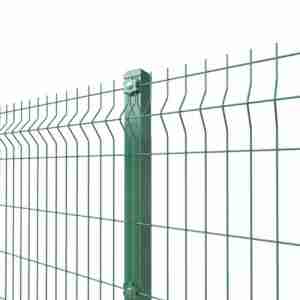
These posts offer a more modern look and may be used for various types of metal fencing, such as ornamental fences or welded wire fences. They provide stability and strength to the fence structure.
6.3 T-Posts
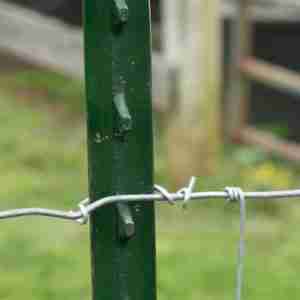
T-shaped posts are commonly used in agricultural and rural settings for fencing purposes. They are known for their ease of installation and durability.
6.4 Decorative Posts
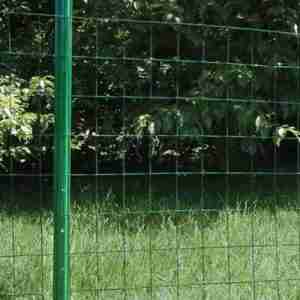
Some designs feature ornate or decorative elements that add aesthetic appeal to the fence while providing security. These might include decorative caps, finials, or scrollwork incorporated into the post design.
6.5 Galvanized or Powder-Coated Posts
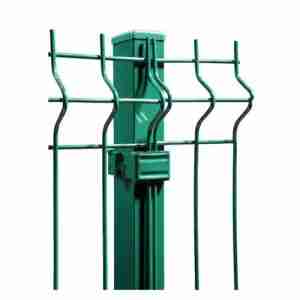
Green metal fence posts often come in two primary finishes: galvanized (which offers corrosion resistance) or powder-coated (where a colored finish, like green, is applied to the metal for both aesthetics and protection).
6.6 Customized Posts
Depending on the manufacturer or supplier, there might be options for customized posts designed to meet specific security or aesthetic requirements.
7. How does the cost of green metal security fence posts compare to other materials?
The cost of green metal security fence posts can vary based on several factors, including the type of metal used, the thickness and durability of the posts, and the manufacturer or supplier. Generally, metal security fence posts can be more expensive initially compared to other materials like wood or vinyl.
However, they often provide better durability and security, which can result in long-term cost savings due to reduced maintenance and longer lifespan.
Wooden fence posts are usually less expensive initially compared to metal. However, wood requires regular maintenance such as staining, painting, or sealing to prevent rotting, warping, or insect damage.
Vinyl fence posts are durable and require minimal maintenance compared to wood. They are often more expensive than wood initially but can be comparable or slightly less costly than metal.
8. Conclusion
The implementation of green metal security fencing offers multifaceted advantages in various settings. It provides a robust physical barrier against unauthorized access, enhancing security and deterring potential intruders or trespassers.
The green coloration, often blending harmoniously with natural surroundings, lends an aesthetically pleasing aspect while also contributing to environmental integration.
Furthermore, green metal security fencing typically boasts durability and longevity, with materials designed to withstand diverse weather conditions and resist corrosion, thus ensuring prolonged functionality and minimal maintenance requirements.
In conclusion, green metal security fencing not only fortifies safety measures but also complements the environment, offering a balanced amalgamation of security, durability, and aesthetics. Its integration serves as an effective means of securing spaces while harmonizing with the surrounding natural elements
