Table of Contents
1. Types of galvanized barrier
Galvanized barriers refer to barriers that have been treated with a layer of zinc to prevent corrosion and rust. These barriers are commonly used in various industries, including construction, road safety, and infrastructure development.
There are different types of galvanized barriers, each designed for specific purposes. Some of the common types include.
1.1 Galvanized Steel Barriers
Galvanized steel barriers are made of galvanized steel and are widely used in construction and road safety. They come in various shapes and sizes, such as guardrails, road barriers, and highway median barriers.
Galvanized steel barriers refer to protective barriers or barricades made from galvanized steel. Galvanization is a process of applying a protective zinc coating to steel or iron to prevent rusting and corrosion, making it more durable and resistant to environmental elements.
Galvanized steel barriers are frequently seen on roads and highways, used as safety barriers to redirect traffic in construction zones, events, or accident sites.
They can be utilized as barriers for security purposes, protecting certain areas or controlling access points in sensitive locations like airports, government buildings, or military installations.
1.2 Galvanized Guardrails
Galvanized Guardrails are barriers installed along roads and highways to prevent vehicles from veering off the road or crossing into opposing lanes. Galvanized guardrails offer durability and protection against corrosion, making them suitable for outdoor applications.
1.3 Galvanized Crash Barriers
Galvanized crash barriers are safety barriers installed along roads, highways, or other transportation routes to enhance safety by preventing vehicles from veering off the road or colliding with roadside obstacles. These barriers are typically made of steel and coated with a layer of zinc through a process called galvanization.
Galvanization involves coating the steel with a protective layer of zinc to prevent corrosion and rusting. This process helps to extend the lifespan of the crash barriers, making them more durable and resistant to environmental elements such as moisture, rain, snow, and road salts.
Galvanized crash barriers come in various shapes and sizes, and they are designed to redirect vehicles safely back onto the road in the event of an accident. They absorb impact energy and help mitigate the severity of collisions, protecting drivers, passengers, and pedestrians.
These barriers are often installed in areas prone to accidents, sharp curves, bridges, medians, and areas with high traffic volume to improve overall road safety. They play a crucial role in reducing the risk of severe accidents and injuries by providing a physical barrier between vehicles and potential hazards.
1.4 Galvanized Crowd Control Barriers
Galvanized Crowd Control Barriers are used to manage and control crowds during events, construction sites, or public gatherings. Galvanizing these barriers enhances their resistance to outdoor conditions and ensures longevity.
Galvanized crowd control barriers are portable steel barriers often used in various events, construction sites, concerts, parades, and other public gatherings to manage crowds, maintain safety, and establish boundaries.
These barriers typically feature interlocking designs, allowing them to be connected together to form a continuous barricade. They come in various sizes and designs but commonly have feet for stability and easy mobility.
1.5 Galvanized Safety Barriers
Galvanized safety barriers, often used in industrial settings or warehouses, are designed to protect personnel, machinery, or equipment from potential hazards. Galvanizing these barriers adds a layer of protection against corrosion, extending their lifespan.
Galvanized safety barriers are protective structures made from galvanized steel designed to enhance safety in various settings. Galvanization involves coating steel with a protective layer of zinc to prevent corrosion, rusting, and deterioration caused by exposure to the elements.
Galvanized safety barriers are used along roads and highways to prevent vehicles from veering off the road or colliding with hazardous obstacles. The galvanized coating helps these barriers withstand harsh weather conditions and provides long-term durability.
They are employed in construction areas to segregate work zones, prevent unauthorized access, and protect workers and pedestrians from potential hazards like heavy equipment or falling debris.
Galvanized barriers are used within industrial settings to create safety perimeters around dangerous machinery or equipment. They help in controlling access and minimizing accidents.
1.6 Galvanized Fencing Barriers
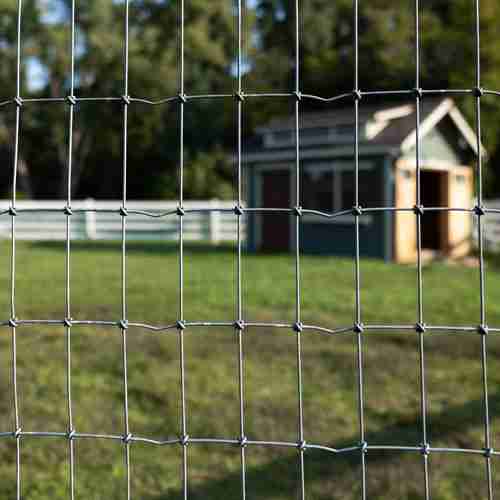
Galvanized fencing barriers include various types of fencing, such as chain-link fences or welded wire mesh fences, which are treated with a zinc coating to resist corrosion and provide long-lasting security.
Galvanized fencing barriers are fencing structures made from materials that have been treated with a protective zinc coating to prevent corrosion and rust. These barriers are designed to provide security, control access, and create perimeters in various settings, including residential, commercial, industrial, and public spaces.
Galvanized steel, the most common material used for these barriers, undergoes a galvanization process where a layer of zinc is applied to the steel surface. This coating protects the underlying steel from rust and corrosion caused by exposure to moisture, weather elements, and other environmental factors.
These barriers come in various forms and designs, such as chain-link fences, welded wire fences, mesh panels, or barricades, depending on the specific requirements of the application.
2. Galvanizing method of galvanized barrier
Galvanizing is a process used to apply a protective zinc coating to steel or iron to prevent rusting or corrosion. The method involves the application of zinc to the surface of the metal in various ways, primarily through hot-dip galvanizing or electro-galvanizing.
2.1 Hot-Dip Galvanizing
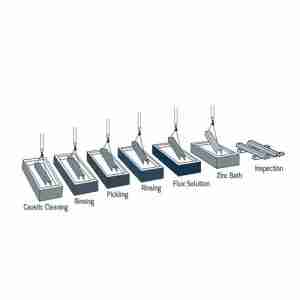
Surface Preparation: The metal surface is cleaned to remove any rust, oil, or impurities that may hinder the bonding of zinc.
Pickling: The metal is then immersed in a hot acid bath (usually a solution of hydrochloric acid or sulfuric acid) to remove mill scale and any other impurities.
Fluxing: After pickling, the metal is dipped in a flux solution to protect it from oxidation before galvanizing.
Galvanizing: The prepared metal is dipped into a bath of molten zinc at a temperature typically around 450°C (850°F). This creates a metallurgical bond between the zinc and the metal surface, resulting in a protective layer of zinc coating the steel or iron.
Finishing: Once withdrawn from the zinc bath, the galvanized metal is cooled in air or water and inspected for coating uniformity.
2.2 Electro-Galvanizing
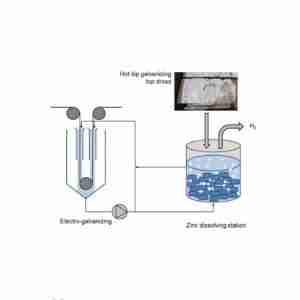
Surface Preparation: Similar to hot-dip galvanizing, the metal surface is cleaned to remove impurities.
Electroplating: Unlike hot-dip galvanizing, where the metal is dipped in a zinc bath, electro-galvanizing involves using an electric current to deposit a thin layer of zinc onto the surface of the metal. The metal to be coated acts as the cathode, while a zinc anode provides the source of the zinc ions.
Rinsing and Finishing: Once the electroplating process is completed, the metal is rinsed and often post-treated to improve the coating’s durability and appearance.
Galvanized barriers are commonly used in various industries, particularly in construction and road safety. These barriers are typically made of steel and then treated with a galvanization process to prevent corrosion and increase their durability. The galvanization process involves several steps.
3.1 Material Selection
Selecting materials for a galvanized barrier involves several considerations to ensure its durability, effectiveness, and suitability for the intended application. Galvanized barriers are often used for various purposes such as highway safety barriers, fencing, or protective enclosures.
The primary material used for the barrier should possess qualities like strength, durability, and corrosion resistance. Common options include steel, iron, or aluminum. Steel is a popular choice due to its strength, but aluminum is also used for its lightweight properties and resistance to corrosion.
3.2 Cleaning
The steel is cleaned thoroughly to remove any rust, oil, grease, or other contaminants from the surface. This is usually done through a process that involves chemical cleaning, degreasing, or blasting techniques.
3.3 Surface Preparation
After cleaning, the steel surface is prepared for galvanization. This involves another round of cleaning to ensure the surface is entirely free of any remaining impurities. Proper surface preparation is crucial for the galvanization process to be effective.
3.4 Galvanizing Bath
The cleaned steel galvanized barriers are then dipped into a bath of molten zinc at a temperature of around 450°C (850°F). This process is known as hot-dip galvanizing. The steel is completely immersed in the zinc bath, ensuring complete coverage.
Surface preparation is crucial when working with galvanized barriers to ensure proper adhesion and durability of coatings or treatments. Galvanized surfaces are coated with zinc to protect against corrosion, and proper preparation is necessary to achieve effective results.
Here are steps for surface preparation of galvanized barriers:
Cleaning: Remove any contaminants like dirt, grease, oil, or any other foreign substances from the surface. Use a solvent-based cleaner or detergent and water to clean the surface thoroughly. A wire brush or a rag can be used to scrub the surface gently.
Degreasing: Ensure the surface is free from oils and grease. Use a solvent-based degreaser to remove any residual oils or greases that might remain after cleaning. Rinse thoroughly with clean water after using the degreaser.
Etching or Abrasion: Galvanized surfaces often have a protective layer of zinc that can be quite smooth, making it hard for coatings to adhere. Abrade the surface using a mild abrasive such as sandpaper or a wire brush.
Chemical Treatment: Optionally, use a chemical etching solution or a specialized etching primer designed for galvanized surfaces. This helps in further promoting adhesion by creating a surface that allows coatings to bond effectively.
Rinsing and Drying: Thoroughly rinse the surface with clean water to remove any residues from the cleaning or etching agents. Ensure the surface is completely dry before applying any coating or treatment. Use a clean cloth or allow natural air-drying.
Priming (if applicable): Depending on the intended treatment or coating, you might need to apply a suitable primer specifically formulated for galvanized surfaces. The primer enhances adhesion and provides a base for the final coating.
3.5 Alloy Bonding
Alloy bonding refers to the process of combining or bonding two different metals to create a new material that possesses the properties of both. Galvanized barriers typically involve the process of coating steel or iron with a layer of zinc to protect against corrosion.
This is often achieved through hot-dip galvanizing, where the steel or iron is immersed in molten zinc, forming a metallurgical bond between the zinc and the base metal.
The galvanizing process creates a protective barrier by forming a layer of zinc oxide on the surface, which acts as a sacrificial anode, corroding before the underlying metal. This helps prevent rust and corrosion of the steel or iron substrate.
Alloy bonding, in the context of galvanized barriers, doesn’t typically refer to the intentional bonding of different metals with zinc during the galvanization process. Instead, it usually pertains to the metallurgical bond formed between the zinc and the steel or iron, creating a protective layer.
3.6 Cooling and Inspection
After the galvanizing process, the barriers are allowed to cool in a controlled environment. Once cooled, they undergo thorough inspection for coating thickness, uniformity, and overall quality. Any imperfections or irregularities in the coating are addressed at this stage.
Galvanized barriers are typically used in various industries for corrosion protection and durability. To ensure their optimal performance, it’s important to follow specific procedures for cooling and inspection after the galvanization process. Here’s a general overview of these steps:
Cooling Process:
Natural Air Cooling: After the galvanization process, the barrier is usually allowed to cool naturally in ambient air. This helps prevent any abrupt temperature changes that might damage the coating.
Avoid Water Quenching: Avoid rapid cooling using water or any other liquid, as this can cause thermal shock and affect the integrity of the galvanized coating.
Time Frame: The cooling time can vary based on the size and thickness of the barrier. Typically, allowing the material to cool for a few hours to reach ambient temperature is advisable.
3.7 Finishing
After inspection and approval, the galvanized barriers may undergo additional finishing processes if required, such as cutting, drilling, or painting for identification or aesthetic purposes.
3.8 Quality Control
Throughout the production process, quality control measures are implemented to ensure that the galvanized barriers meet industry standards and specifications. This includes testing the coating thickness, adhesion, and overall integrity of the barriers.
4. The functions of galvanized barrier
Galvanized barriers refer to barriers or structures made using galvanized steel. Galvanization is a process of applying a protective zinc coating to steel or iron to prevent rust and corrosion, making it more durable and long-lasting. Galvanized barriers serve various functions across different applications:
4.1 Corrosion Resistance
Galvanized barriers are highly resistant to corrosion due to the zinc coating. This makes them ideal for outdoor applications where exposure to moisture, weather elements, and corrosive substances is a concern.
Galvanized barriers provide a high level of corrosion resistance due to the protective layer of zinc coating applied to the surface of the metal. This zinc coating acts as a sacrificial layer, corroding preferentially to protect the underlying steel or iron from rust and corrosion.
The process of galvanization involves immersing the metal barrier (usually made of steel or iron) into a bath of molten zinc or applying a zinc-rich coating through other methods like electroplating.
This creates a metallurgical bond between the zinc and the metal substrate, forming a protective barrier that shields the underlying material from environmental elements such as moisture, oxygen, and various corrosive agents.
The thickness of the zinc coating can vary depending on the application and the method of galvanization used. Thicker coatings generally offer increased protection against corrosion.
4.2 Safety Barriers
Galvanized barriers are commonly used in traffic management and road safety applications. They provide protection and guidance to drivers, pedestrians, and cyclists by delineating lanes, directing traffic flow, and safeguarding against vehicle collisions.
Galvanized barriers, often used as safety barriers in various settings, are primarily designed to enhance safety and protect against potential hazards. Galvanization involves coating steel barriers with a layer of zinc to prevent corrosion and rusting, thereby extending their lifespan and durability.
Galvanization provides a protective layer that prevents corrosion, ensuring the barrier’s structural integrity over an extended period. This feature is particularly essential for outdoor use where exposure to harsh weather conditions is common.
4.3 Construction and Worksite Safety
Galvanized barriers are utilized in construction sites to create boundaries, secure hazardous areas, and protect workers and passersby from potential dangers, such as falling debris or construction equipment.
Galvanized barriers are often used in construction and worksites for various purposes, primarily to ensure safety, manage traffic, or delineate specific zones. These barriers are typically made of galvanized steel, which is coated with a protective layer of zinc to prevent corrosion and enhance durability.
4.4 Erosion Control
Galvanized barriers are often used for erosion control due to their durability and resistance to corrosion. They can be employed in various scenarios such as construction sites, highways, or areas prone to erosion.
Proper installation is crucial for effective erosion control. Ensure the barriers are correctly placed in a manner that redirects water flow and prevents soil erosion. They should be installed at the appropriate angle and depth to effectively contain and divert water.
Galvanized barriers can serve as a filtration system by trapping sediment and preventing it from being washed away. Regularly inspect and clean the barriers to maintain their efficacy in trapping sediment and preventing erosion.
Planting vegetation along with or behind the barriers can further enhance erosion control. Grasses, shrubs, or other native plants with deep roots can help stabilize the soil, reducing erosion.
4.5 Animal Enclosures
Galvanized barriers are often used in agricultural settings for animal enclosures, pens, and fencing due to their durability and resistance to animal-related wear and tear.
Galvanized barriers are commonly used in the construction of animal enclosures, particularly in zoos, wildlife sanctuaries, and farms. These barriers are typically made from galvanized steel, which is steel that has been coated with a layer of zinc to protect it from corrosion.
5. Simple Interlocking design of galvanized fence
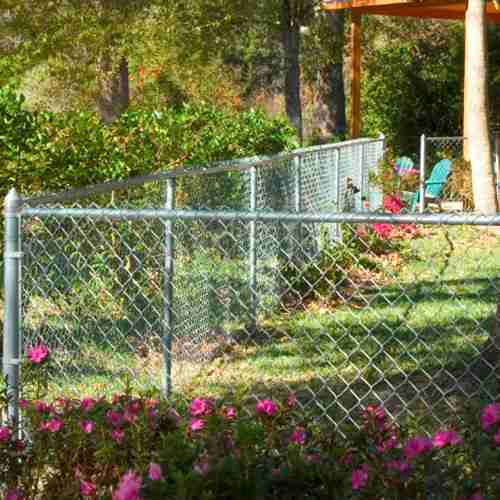
Creating a simple interlocking design for a galvanized fence involves a few basic steps. Here’s a general guide to help you get started.
5.1 Planning and Measurement
Measure the area where you plan to install the fence. Mark the locations for the posts at regular intervals based on the length of your fence panels. Determine the number of panels needed to cover the entire span. Consider gate placement if required.
5.2 Install the Posts
Dig holes for the posts at the marked locations. Ensure the holes are deep and wide enough for stability. Place the posts in the holes, making sure they are upright and leveled. Use a level to ensure accuracy.
If needed, pour concrete mix into the holes around the posts for added stability. Allow it to set according to the concrete’s instructions.
5.3 Attach the Panels
Take the galvanized steel fence panels and position them between the posts, ensuring they align properly. Use bolts and nuts to secure the panels to the posts. Insert the bolts through the pre-drilled holes in the panels and posts, then tighten them using a wrench or socket set.
5.4 Interlocking Panels
Some fence panels come with interlocking features. Align the panels accordingly to interlock them securely. Follow the manufacturer’s instructions if the panels have specific interlocking mechanisms. This might involve sliding, hooking, or overlapping sections to create a sturdy connection.
Continue attaching the panels to the posts until the entire fence is assembled.
Double-check for any loose connections or areas that need adjustment.
Trim any excess material or protruding bolts for a neat finish.
6. Advantages of Hot-dip Galvanized Crash Barriers
Hot-dip galvanized crash barriers offer several advantages due to the galvanization process, which involves coating steel with a layer of zinc to protect it from corrosion. Some advantages of hot-dip galvanized crash barriers include.
6.1 Corrosion Resistance
Galvanization provides excellent protection against corrosion, making the galvanized crash barriers durable and capable of withstanding harsh environmental conditions, such as rain, snow, and humidity. This corrosion resistance extends the lifespan of the barriers.
Hot-dip galvanized crash barriers exhibit excellent corrosion resistance due to the protective coating applied to the steel. The hot-dip galvanizing process involves immersing steel components into a bath of molten zinc, forming a metallurgically bonded zinc-iron alloy layer on the surface.
The zinc coating serves as a sacrificial layer, meaning it corrodes preferentially to protect the underlying steel substrate. Even if the coating gets scratched or damaged, the surrounding zinc continues to provide protection to the exposed area, preventing corrosion from spreading.
6.2 Longevity
Galvanized crash barriers have an extended lifespan compared to barriers without corrosion protection. They require less frequent maintenance and replacement, resulting in cost savings over time.
Hot-dip galvanized crash barriers are known for their durability and longevity. Galvanization is a process where a protective zinc coating is applied to steel to prevent corrosion, rust, and other forms of damage, making it highly resistant to environmental factors.
Proper galvanization techniques and high-quality coatings increase the barrier’s lifespan. Thicker coatings generally offer more extended protection.
The longevity can vary based on the environment where the barriers are installed. Harsh weather conditions, exposure to chemicals, or proximity to saltwater can impact their lifespan.
6.3 Low Maintenance
Hot-dip galvanized barriers typically require minimal maintenance, reducing the need for frequent inspections and repairs. This makes them a cost-effective option in the long run.
Hot-dip galvanized crash barriers are known for their durability and corrosion resistance, making them relatively low maintenance.
Periodic inspections help identify any damage, corrosion, or other issues. Inspect the barriers for signs of rust, dents, or deformation. Address any problems promptly to prevent further deterioration.
Cleaning the barriers regularly can help maintain their appearance and prevent the buildup of debris that could contribute to corrosion. Use water and mild detergent to remove dirt, grime, or other contaminants. Avoid using abrasive materials that might damage the galvanized coating.
6.4 Toughness and Durability
The zinc coating enhances the toughness and durability of the steel, making galvanized crash barriers resilient to impact and deformation caused by vehicular accidents. They provide effective protection and minimize damage to vehicles and infrastructure.
Hot-dip galvanized crash barriers are known for their toughness and durability in various applications, especially in highway and roadway safety systems.
Hot-dip galvanizing involves immersing steel components in molten zinc, creating a metallurgical bond that forms a protective layer against corrosion. This process provides excellent resistance to rust and corrosion, ensuring longevity even in harsh environmental conditions.
Crash barriers are designed to absorb impact energy during collisions. Galvanized steel is known for its strength and ability to withstand high-impact forces, making it a suitable material for crash barriers. The toughness of galvanized steel helps the barriers maintain their structural integrity, reducing the severity of accidents.
6.5 Environmental Sustainability
Galvanization is an eco-friendly process that uses zinc, a recyclable material. The longevity of galvanized crash barriers reduces the need for frequent replacements, contributing to sustainability by minimizing material waste.
6.6 Quick Installation
Galvanized crash barriers are often designed for easy and efficient installation. Their durability and resistance to corrosion maintain their effectiveness over time, reducing the need for immediate replacements or repairs.
6.7 Aesthetic Appeal
The smooth and uniform appearance of hot-dip galvanized barriers can enhance the visual appeal of roadways and infrastructure. Additionally, the protective coating maintains its appearance over the years, contributing to a well-maintained and professional look.
Hot-dip galvanized crash barriers offer several aesthetic appeals due to their protective and visually striking properties:
Uniform Appearance: Hot-dip galvanizing provides a uniform coating that covers the entire surface of the crash barriers, giving them a consistent and clean look. This uniformity enhances the overall aesthetic appeal of the barriers, creating a visually pleasing and cohesive appearance.
Sleek Finish: Galvanized coatings have a glossy and smooth finish that adds to the aesthetic appeal. This sleek appearance can complement various architectural designs and environments, making the crash barriers blend in or stand out, depending on the intended visual effect.
Durability and Longevity: Their long-lasting protection ensures that the barriers maintain their aesthetic appeal over an extended period, as they resist deterioration and maintain their original appearance for years without requiring frequent maintenance or repainting.
6.8 Resistance to Mechanical Damage
The galvanized coating adds an extra layer of protection against scratches, abrasions, and minor impacts, further enhancing the resilience of the crash barriers.
Hot-dip galvanized crash barriers are often used in highway and road safety applications due to their durability and resistance to corrosion. However, while hot-dip galvanization provides excellent corrosion resistance, it may not directly address resistance to mechanical damage caused by impact or collision.
Here are some considerations regarding the resistance to mechanical damage of hot-dip galvanized crash barriers:
Material Strength: The primary purpose of crash barriers is to absorb impact energy and redirect vehicles. The material’s inherent strength, typically steel or other alloys, determines its ability to withstand mechanical damage. Galvanization adds a layer to protect against corrosion but might not significantly enhance its mechanical strength.
Design and Construction: The barrier’s design, including its shape, height, thickness, and how it’s installed, affects its ability to endure mechanical impacts. A well-designed crash barrier will better resist damage from collisions.
Maintenance and Inspection: Regular inspection and maintenance are crucial. Any damage, such as dents, bends, or deformations caused by accidents or harsh conditions, might compromise the barrier’s effectiveness. Galvanization can delay corrosion, but physical damage needs timely repair or replacement to ensure safety.
6.9 Cost-Effectiveness
Though the initial cost of galvanized crash barriers might be slightly higher than non-galvanized alternatives, their longer lifespan and reduced maintenance requirements often result in overall cost savings in the long term.
Hot-dip galvanized crash barriers are commonly used in road infrastructure for their durability and corrosion resistance.
Hot-dip galvanized crash barriers might have a higher initial cost compared to alternatives like painted steel or other materials. However, their longevity and reduced maintenance costs can offset this initial expense.
Galvanized barriers have an extended lifespan due to their corrosion resistance. They can withstand harsh weather conditions, reducing the need for frequent replacements or repairs, which can significantly lower lifecycle costs.
7. Conclusion
The galvanized barrier is an effective and widely-used method for corrosion protection in various industries. Its conclusion revolves around its proven ability to resist rust and degradation, thanks to the zinc coating that acts as a sacrificial layer, preventing the underlying metal from being exposed to corrosive elements.
This technique is durable, cost-effective, and versatile, making it a preferred choice in applications ranging from construction to manufacturing. However, proper maintenance and periodic inspections are necessary to ensure the longevity and effectiveness of the galvanized barrier over time.