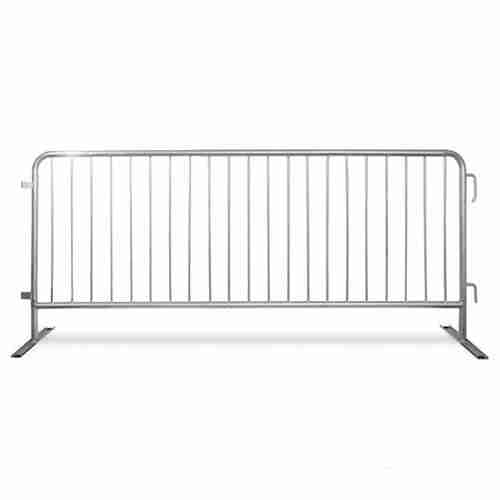
Table of Contents
1. The assemble and interconnect method of crowd control barriers
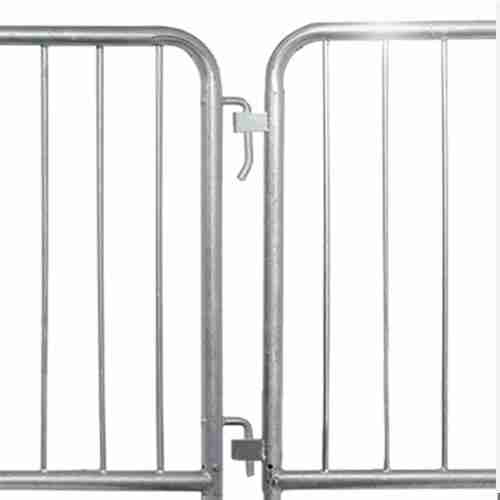
Crowd control barriers are often used to manage and direct the flow of people in various settings, including events, concerts, parades, and construction sites. The assembly and interconnection of crowd control barriers can vary depending on the specific design and manufacturer, but here’s a general overview of common methods:
1.1 Interlocking Feet
Some barriers have interlocking feet that allow them to be connected in a row. The feet are designed to fit together, providing stability and preventing individual barriers from easily being pushed or pulled apart.
1.2 Snap Joints
Snap joints are a type of interlocking mechanism that allows components to be quickly and easily connected or disconnected. In the context of crowd control barriers, snap joints may refer to a mechanism that enables barriers to snap together securely.
The barriers may have complementary male and female components with a snap feature. As two barriers are brought together, the snap joints align and snap into place, creating a secure connection. A secondary locking mechanism ensures that the barriers remain connected.
Snap joints may involve a latch and release mechanism. The barriers could have a latch on one end and a corresponding receptacle on the other end. When the barriers are brought together, the latch snaps into the receptacle, securing the connection. To release, a simple action like pressing a button or pulling a lever may be required.
Some snap joints use spring-loaded components. As the barriers are pushed together, the spring-loaded elements compress, and once in position, they snap into place. This design allows for a quick and efficient connection without the need for additional tools.
Self-aligning snap joints are designed to guide the barriers into the correct position automatically. When the barriers are brought close, the snap joints guide them into alignment, and the snapping action occurs as the barriers reach the correct position.
1.3 Twist Locks
Some barriers use a twist-and-lock mechanism. The ends of the barriers can be twisted together, securing them in place. This mechanism is quick to engage and disengage, making it efficient for rapid deployment.
1.4 Magnetic Interlocking
Magnetic interlocking systems use magnets embedded in the barriers. When barriers are brought close together, the magnets attract each other, creating a connection. This system is often used in temporary and lightweight barriers.
1.5 Bolted Connections
Bolted connections in crowd control barriers involve the use of bolts and nuts to secure individual barriers together. This method offers a robust and durable connection, providing stability and strength to the barrier line.
Crowd control barriers that use bolted connections are often designed with specific features to accommodate bolts and nuts. This may include pre-drilled holes or brackets on the barriers.
Each barrier typically has holes at specific locations, usually at the corners or along the edges. These holes are aligned with corresponding holes on adjacent barriers when creating a continuous barrier line.
Bolts, which are threaded fasteners, are inserted through the aligned holes in adjacent barriers. On the other side, nuts are tightened onto the threaded ends of the bolts. The nuts secure the barriers together, creating a strong and stable connection.
1.6 Feet and Hooks
Crowd control barriers often have specific features in their design to facilitate stability, interlocking, and easy deployment. Feet and hooks are two essential components that contribute to the functionality of these barriers.
The feet of crowd control barriers play a crucial role in providing stability. These are the bottom portions of the barriers that make contact with the ground surface. The design of the feet is important for preventing the barriers from easily tipping over.
Barriers have feet with interlocking features. When barriers are placed adjacent to each other, the feet interlock, creating a stable and continuous line. This helps in maintaining the integrity of the barrier arrangement.
Hooks are typically located at the ends of crowd control barriers. These hooks serve as a means of interlocking one barrier with another. When two barriers are placed side by side, the hook of one barrier can be inserted into a corresponding slot or eye on the adjacent barrier, creating a linked and secure connection.
1.7 Latch Mechanism
Latch systems involve a locking mechanism that can be easily engaged and disengaged. The barriers have a latch or locking component on one end that can be secured to a corresponding part on another barrier, holding them together.
1.8 Linking Chains
Linking chains are often used as a method of connecting crowd control barriers, providing a flexible and continuous barrier line. Instead of relying on rigid physical connections like hooks or bolts, linking chains allow for a more adaptable and versatile setup.
Crowd control barriers designed for linking chains have designated attachment points. These attachment points are usually located at the ends or along the sides of the barriers.
The chains used for linking are typically made of durable materials such as metal, often steel or stainless steel. The choice of material ensures strength and resistance to wear and tear.
Linking chains are often equipped with snap hooks or carabiners at each end. These are designed to easily attach to the attachment points on the barriers. The snap hooks allow for quick and secure connections.
2. How do temporary crowd control barriers differ from permanent ones?
Temporary crowd control barriers and permanent ones serve the same fundamental purpose of controlling and directing the movement of people in various settings. However, they differ in terms of design, materials, installation methods, and intended use.
Here are some key differences between temporary and permanent crowd control barriers:
2.1 Materials
The materials used for temporary crowd control barriers and permanent crowd control barriers are often different due to their intended use and durability requirements.
Temporary crowd control barriers, also known as portable barricades or event barriers, are typically made of lightweight and easily transportable materials such as steel or aluminum. They are designed for temporary use in events, concerts, festivals, or construction sites.
Permanent crowd control barriers are designed for long-term use and are made of sturdier and more durable materials such as galvanized steel or heavy-duty aluminum. These barriers are commonly used in public areas, stadiums, airports, or high-security locations where crowd control and perimeter protection are needed.
Temporary crowd control barriers are designed to be easily portable and movable. They are lightweight and often feature interlocking systems or hooks that allow for quick assembly and disassembly. These barriers are meant to be easily transported from one location to another.
Permanent crowd control barriers are intended for long-term installations and are not typically meant to be constantly moved or repositioned. They are often heavier and more robust, as they are constructed to withstand prolonged exposure to various weather conditions and potential impacts.
2.3.1 Temporary crowd control barriers
Temporary crowd control barriers are designed to be easily installed and removed, making them ideal for temporary events or situations. These barriers are typically lightweight and portable, allowing for quick setup and dismantling. Some common installation methods for temporary crowd control barriers include:
Freestanding: Temporary barriers can be freestanding, using their own weight and design to remain upright. These barriers often have interlocking feet or bases that provide stability.
Interlocking: Some temporary crowd control barriers are designed to interlock with each other, creating a continuous line of barriers. These barriers may have grooves or hooks on their edges that allow them to connect securely.
Anchoring: In certain situations, temporary crowd control barriers may need additional anchoring to ensure stability. This can involve securing the barriers to the ground using stakes, sandbags, or other anchoring methods.
2.3.2 Permanent crowd control barriers
Permanent crowd control barriers, on the other hand, are intended for long-term use and are typically more robust and durable compared to temporary barriers. These barriers are often made of stronger materials and require more involved installation procedures to ensure they remain in place over an extended period. Some common installation methods for permanent crowd control barriers include:
Concrete foundation: Permanent crowd control barriers may be installed using a concrete foundation. This involves digging a trench, pouring concrete, and embedding the barriers into the concrete. This method provides a solid and secure installation that can withstand heavy use and weather conditions.
Bolted: Some permanent crowd control barriers are designed to be bolted or attached to existing structures, such as walls or posts. This method requires drilling holes and using bolts, screws, or other fasteners to secure the barriers in place.
Welded: In certain cases, permanent crowd control barriers may be welded to steel frames or structures. This method provides a permanent and secure installation but requires professional welding expertise.
2.4 Design and Appearance
Temporary crowd control barriers are often designed to be adaptable and easily deployable for temporary events or situations. They are typically lightweight and portable, making them easy to transport and set up.
These barriers often have a simple and straightforward design, with interlocking features or hooks to connect multiple barriers together. The materials used for temporary barriers may vary, but they are generally more lightweight and less sturdy compared to permanent barriers.
In terms of appearance, temporary crowd control barriers are often uniform in color and have a standard look. They may come in bright colors like orange or yellow to ensure high visibility and enhance safety. Temporary barriers are not usually aesthetically designed since their primary purpose is to provide a temporary crowd control solution.
Permanent crowd control barriers are specifically designed for long-term installation. They are built to withstand prolonged use, harsh weather conditions, and potential tampering. The design of permanent barriers is often sturdier and more robust, with materials like steel or aluminum being commonly used.
The appearance of permanent barriers may vary depending on the specific application and location. They may be designed to blend into the surrounding architecture or environment, or they may have a more industrial and utilitarian appearance.
2.5 Durability
Temporary crowd control barriers are designed to be lightweight and portable, which often means they are not as durable as permanent barriers. They are typically made of materials like plastic or lightweight metals such as aluminum.
While temporary barriers are still designed to withstand moderate use and provide crowd control, they are not built for heavy or long-term use. They may be more prone to damage from impacts or harsh weather conditions.
Permanent crowd control barriers, on the other hand, are built to withstand heavy use and long-term installation. They are typically made of stronger materials such as steel or heavy-duty aluminum. These barriers are designed to be more robust and durable, capable of withstanding impacts, heavy crowds, and harsh weather conditions.
Permanent barriers are often built with reinforced construction and incorporate features like anti-climb panels or tamper-resistant fasteners to enhance their durability and security.
Additionally, permanent barriers may undergo additional treatments or coatings to increase their resistance to rust, corrosion, or other forms of deterioration over time.
2.6 Cost
Temporary crowd control barriers are generally less expensive compared to permanent barriers. They are designed to be used for shorter durations and are made of lighter materials, which reduces their manufacturing and production costs.
Temporary barriers are also usually mass-produced and readily available, contributing to their lower cost. Additionally, the simplicity of their design and construction further lowers their price.
Permanent crowd control barriers are typically more expensive due to their stronger and durable materials, enhanced construction, and longer lifespan. The materials used in permanent barriers, such as steel or heavy-duty aluminum, are more costly compared to the materials used in temporary barriers.
Permanent barriers often require professional installation and may involve additional expenses such as specialized tools or equipment. The need for customization, decorative elements, or added security features can also increase the cost of permanent barriers.
Portable or collapsible crowd control barriers offer several advantages, making them a practical choice for various applications. Here are some of the key advantages:
Portable crowd control barriers are designed to be easily moved from one location to another. They are often made of lightweight materials such as plastic or lightweight metals like aluminum.
These barriers are designed to be foldable or stackable, making them easy to transport in trucks or vans. Portable barriers may also feature built-in handles or wheels to facilitate easy maneuverability.
Collapsible crowd control barriers are designed to be compact when not in use and expand or unfold when needed. These barriers often feature a concertina or accordion-style design that allows them to collapse down to a smaller size for transport and storage.
Portable crowd control barriers can be easily transported to the desired location and set up within minutes.
They are designed for fast assembly and deployment, typically utilizing interlocking or hooking mechanisms to connect multiple barriers together. Some portable barriers may also feature drop pins or feet that can be quickly secured to provide stability and prevent movement.
The quick deployment capability of portable and collapsible crowd control barriers is particularly beneficial in time-sensitive situations, emergency scenarios, or events where crowd control measures need to be established promptly.
Their ease of setup and dismantling allows for efficient crowd management and can help ensure public safety and order in a timely manner.
3.3 Drawing Dies Setup
Portable and collapsible barriers can be arranged in various configurations to adapt to different crowd control needs. They can be easily positioned in straight lines, curves, or angles, allowing for flexible delineation of spaces or pathways.
This flexibility in layout makes them versatile for use in different event setups, construction sites, public gatherings, or any situation requiring organized crowd control.
Portable and collapsible barriers are not restricted to specific locations. They can be easily transported and deployed in outdoor or indoor settings, making them suitable for a variety of venues.
3.4 Compact Storage
Portable and collapsible barriers are specifically engineered to take up minimal space when stored. They are typically designed to fold, stack, or collapse into a compact form, reducing their overall footprint. This space-saving design allows for efficient storage in storage rooms, facilities, or transport vehicles.
These barriers typically employ simple folding mechanisms or accordion-like designs that facilitate easy folding and unfolding. This self-contained storage feature saves additional space and provides a convenient storage solution that keeps the barriers easily accessible and ready for deployment.
Some portable or collapsible barriers come with hooks or hanging mechanisms that allow them to be stored by hanging them on walls or racks. This storage method keeps the barriers off the floor and frees up valuable floor space in storage areas.
3.5 Visibility
Portable and collapsible barriers are often designed in bright colors such as orange or yellow to maximize visibility. These vibrant colors help draw attention to the barriers, making them easily noticeable and identifiable amidst a crowd.
Some portable barriers may feature reflective tapes or panels that enhance visibility in low-light or nighttime conditions. These reflective elements increase the visibility of the barriers, improving safety and reducing the risk of accidents in settings with dim lighting.
4. The potential challenges or limitations associated with the use of crowd control barriers
While crowd control barriers are essential tools for managing and directing crowds in various settings, there are potential challenges and limitations associated with their use. It’s important to be aware of these factors to ensure effective crowd control and minimize potential issues. Here are some common challenges and limitations:
4.1 Limited Effectiveness Against Determined Crowds
Crowd control barriers act as physical obstructions that guide people and control their movement. However, determined individuals may attempt to overcome or bypass these barriers by climbing over or forcefully pushing through them, especially if they are highly motivated or facing intense emotions.
In such cases, additional measures may be needed, such as the presence of security personnel or the use of additional security measures like fences or barricades.
The effectiveness of crowd control barriers can be influenced by their size and configuration. Large crowds may require a greater number of barriers to effectively manage the volume of people. The arrangement of barriers also plays a role, as gaps or ineffective placement can lead to breaches in crowd control and compromise overall effectiveness.
4.2 Crowd Compression
Crowd control barriers serve the purpose of defining and directing pedestrian flow. By creating designated pathways or queues, barriers help guide individuals and prevent overcrowding in specific areas. This channeling of flow helps to reduce the risk of crowd compression by providing a structured and organized movement of people.
Crowd control barriers are often used to control access points and entrances/exits to venues or events. By regulating the flow of people entering or exiting an area, barriers help prevent bottlenecks and overcrowding.
They provide a physical barrier that limits the number of people entering or exiting at any given time, ensuring better crowd management and reducing the likelihood of crowd compression.
4.3 Entrapment Risks
The use of crowd control barriers can unintentionally create a “fallback effect” where individuals are pushed or pressured backward by the crowd, leading to an increased risk of entrapment or injuries. This can occur when barriers restrict the flow of people without providing sufficient space for individuals to move freely.
When large crowds are confined or compressed in a limited space, the risk of crush hazards and crowd surges can increase. This can occur if barriers are not designed or positioned properly, causing security risks and potentially compromising the safety of individuals caught in a crowded situation.
The design and construction of the crowd control barriers themselves can contribute to entrapment risks. For example , barriers with large gaps or openings can pose a risk of individuals getting stuck or their limbs caught between the barriers.
4.4 Barriers as Obstacles
Barriers can impede the accessibility of certain areas, especially for individuals with disabilities or mobility challenges. It is crucial to ensure that barrier placement does not exclude or limit access for people who require accommodations.
Barriers can potentially obstruct sightlines and visibility, which may impact crowd monitoring, security, or emergency response. It is important to ensure that barriers do not hinder the clear line of sight for security personnel, event organizers, or emergency responders.
Adjusting the placement or height of barriers and utilizing additional measures such as elevated platforms or CCTV systems can help overcome these challenges.
4.5 Cost Considerations
The cost of crowd control barriers varies depending on factors such as materials, design, and durability. Permanent barriers made of steel or heavy-duty materials may have a higher upfront cost compared to temporary barriers made of lightweight materials like plastic.
Consider the long-term maintenance and repair costs of the barriers. Permanent barriers may require less frequent maintenance, but occasional upkeep such as rust prevention or repainting may be required. Temporary barriers may have a shorter lifespan and may require more frequent replacements or repairs, resulting in additional costs over time.
If using portable or collapsible barriers, consider the storage and transportation costs. Ensure you have proper storage space available, such as racks, shelves, or designated areas, to keep the barriers in good condition when
5. The standard dimensions of a crowd control barrier

The standard dimensions of a crowd control barrier can vary based on the specific design, manufacturer, and intended use. However, I can provide you with general dimensions that are commonly seen for portable or temporary crowd control barriers. Keep in mind that these dimensions can vary, and it’s essential to check the specifications provided by the manufacturer for accurate information. Here are typical dimensions:
Height | Common heights for crowd control barriers range from approximately 3 feet (1 meter) to 4 feet (1.2 meters). |
Length | common length is around 7 feet (2.1 meters) to 8 feet (2.4 meters) |
Width | The width of individual barriers is often between 1 foot (0.3 meters) and 2 feet (0.6 meters). |
Weight | The weight of a standard crowd control barrier is typically in the range of 20 to 30 pounds (9 to 14 kilograms). |
6. The typical uses of crowd control barriers
Crowd control barriers serve a variety of purposes in managing and directing the movement of people in different settings. Their versatility makes them valuable for a range of applications. Here are some typical uses of crowd control barriers:
6.1 Events and Festivals
Crowd control barriers are commonly used at events and festivals to manage crowds, ensure safety, and create organized flow.
Barriers are often deployed to establish a secure perimeter around the event or festival area. These barriers can deter unauthorized access and help control the entry points, ensuring that only ticketed attendees are allowed into the event space.
Crowd control barriers help guide the flow of people in busy areas such as walkways, entrances, or exits. By providing a designated route or pathway, barriers assist in directing attendees and preventing bottlenecks. This helps to maintain a smooth and organized flow throughout the event.
6.2 Construction Sites
Crowd control barriers are often used at construction sites to enhance safety, manage pedestrian flow, and keep unauthorized individuals away from potentially hazardous areas.
Crowd control barriers are often used to cordon off hazardous areas within construction sites, such as excavation sites, areas with heavy machinery or equipment, or areas with potentially dangerous materials. By creating a physical barrier, barriers restrict access and help prevent accidental entry into these hazardous zones.
Construction sites often have a mix of construction workers, vehicles, and pedestrians. Crowd control barriers help guide pedestrian and vehicle traffic flows, creating designated walkways and driving routes. This helps separate construction activities from pedestrian areas, ensuring the safety of both workers and visitors.
6.3 Public Gatherings
Crowd control barriers play a crucial role in managing public gatherings by ensuring safety, organizing pedestrian flow, and delineating specific areas.
Crowd control barriers are used to guide and direct the flow of pedestrians, ensuring an organized movement of people within the event space. They help prevent congestion, create walking paths, and maintain a smooth and efficient pedestrian flow.
6.4 Traffic Management
Crowd control barriers are used to separate and define different lanes of traffic. They serve as physical dividers that prevent vehicles from merging into adjacent lanes, ensuring that traffic flows in an orderly manner and reducing the risk of accidents or congestion.
In situations where roadwork, accidents, or other disruptions occur, crowd control barriers can be used to divert traffic away from the affected area. By creating a physical barrier, they guide vehicles along alternate routes to maintain traffic flow and ensure the safety of both motorists and construction workers.
6.5 Emergency Situations
In emergency situations, it may be necessary to establish a perimeter to secure the affected area or to prevent unauthorized access. Crowd control barriers can be used to create a physical barrier between the impacted zone and unaffected areas, ensuring the safety of both individuals inside and emergency personnel outside.
Crowd control barriers can be arranged to create temporary shelter areas for those affected by the emergency. By enclosing a designated space with barriers, affected individuals can find a safe and organized place to gather until further assistance arrives.
6.6 Outdoor Events and Exhibitions
Crowd control barriers are used to create a secure perimeter around the event or exhibition area. This helps to control access points and prevent unauthorized entry, ensuring the safety of attendees and participants.
Barriers are used to create organized queues and lines for ticketing, entry gates, food and beverage stalls, or attractions. By clearly defining the line formation and guiding people, barriers help maintain order, prevent overcrowding, and streamline the flow of attendees.
6.7 Temporary Perimeter Control
Crowd control barriers are used to establish temporary perimeters around construction sites. They help prevent unauthorized access, provide a clear boundary for the work area, and increase safety by keeping pedestrians and vehicles at a safe distance from potential hazards.
Temporary perimeter control using crowd control barriers is essential for public gatherings, protests, or demonstrations. Barriers can define boundaries, establish safety zones, and prevent the encroachment of crowds into unauthorized or unsafe areas.
7. Welding technique of crowd control welded fence
Crowd control welded fences, often referred to as welded mesh barriers or panels, are constructed using a welding method to join individual metal components.
The welding process provides strength and durability to the fence, making it suitable for various applications where crowd control and perimeter security are essential. Here’s an overview of the welded method used in the construction of crowd control welded fences:
7.1 MIG (Metal Inert Gas) Welding

MIG welding is a popular method for welding crowd control fences due to its ease of use and versatility. It involves using a continuously fed wire electrode, shielded by a gas mixture, to create an arc that melts the metal components and forms the weld. MIG welding is known for its speed and high deposition rates.
7.2 TIG (Tungsten Inert Gas) Welding
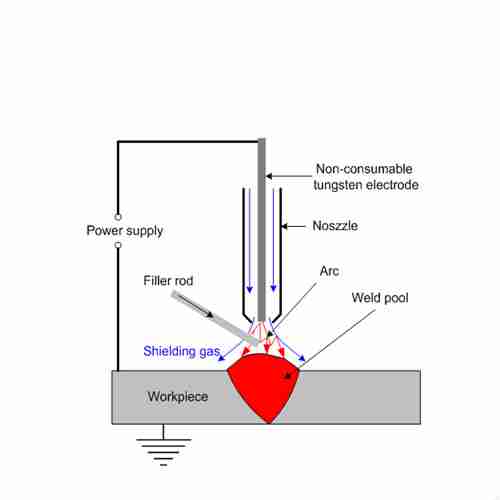
TIG welding is another commonly used method for crowd control welded fences, especially for materials like stainless steel or aluminum. TIG welding uses a non-consumable tungsten electrode to produce a high-temperature arc.
A separate filler metal may be added manually. TIG welding provides precise control over the welding process and produces high-quality welds.
7.3 Arc Welding (Shielded Metal Arc Welding - SMAW)
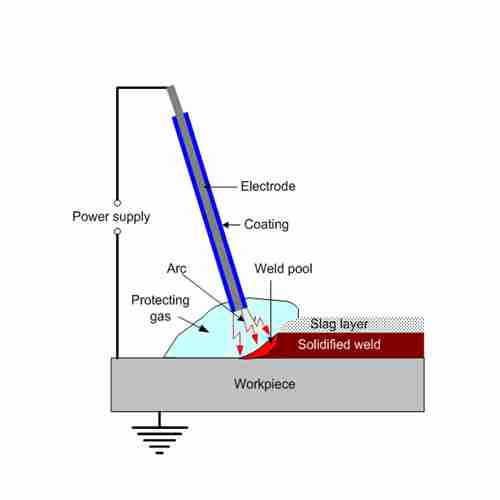
Arc welding, often referred to as stick welding or SMAW, is a versatile welding method suitable for various applications, including crowd control fences. It uses a consumable electrode coated with flux, which provides protective shielding during the welding process .
The coated electrode melts into the joint, creating the weld as the molten metal cools down. Arc welding is known for its durability, reliability, and suitability for outdoor welding.
7.4 Spot Welding
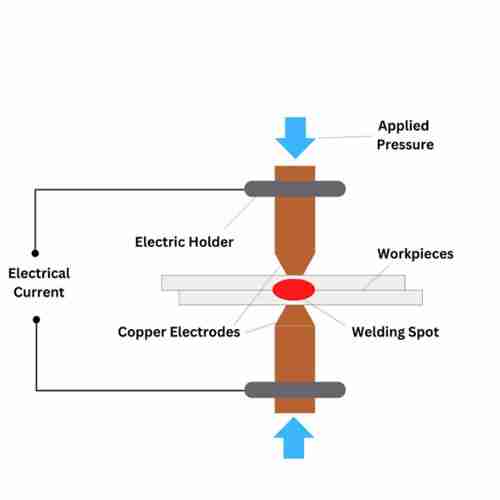
Spot welding is a welding method used for joining thin metal components together, often found in wire mesh or panels used for crowd control fences. It involves applying pressure and an electric current to specific points on the metal components, creating localized heat that fuses the metal together.
8. How does the crowd control metal fence prevent corrosion?
Crowd control metal fences are susceptible to corrosion, especially when exposed to outdoor elements such as rain, humidity, and salt in coastal areas. To prevent corrosion and ensure the longevity of the fence, various protective measures are applied. Here are common methods used to prevent corrosion in crowd control metal fences:
8.1 Galvanization
One of the most effective methods to prevent corrosion is galvanization. In this process, the metal components (usually steel) are coated with a layer of zinc. This zinc layer acts as a sacrificial anode, corroding in preference to the underlying steel. Galvanized coatings provide excellent protection against rust and corrosion.
8.2 Hot-Dip Galvanizing
In hot-dip galvanizing, the metal components are immersed in a bath of molten zinc. This results in a thicker and more durable zinc coating compared to other galvanization methods. Hot-dip galvanizing is a widely used process for outdoor applications, offering superior corrosion resistance.
8.3 Zinc Coating Thickness
The thickness of the zinc coating is an important factor in determining the corrosion resistance of the fence. Thicker coatings generally provide better protection. Manufacturers often specify the zinc coating thickness based on industry standards.
8.4 Powder Coating
After galvanization, a powder coating may be applied to the fence for additional protection and to enhance its aesthetic appeal. Powder coating involves electrostatically applying a dry powder to the surface of the metal, which is then cured in an oven. This creates a durable and corrosion-resistant finish.
8.5 Epoxy Coating
Epoxy coatings can be applied to metal surfaces to provide an additional layer of protection against corrosion. Epoxy coatings are resistant to various environmental factors and can be effective in harsh conditions.
9. Conclusion
In conclusion, crowd control barriers play a crucial role in maintaining order, safety, and security in various settings. These barriers are designed to manage and direct the movement of people, preventing overcrowding, ensuring proper queuing, and delineating specific areas.
Whether used in events, construction sites, public gatherings, or transportation hubs, crowd control barriers contribute to the efficient organization of crowds and the protection of individuals and property.
Depending on the location and event type, there may be specific regulations and standards governing the use of crowd control barriers. Adhering to these guidelines is essential for ensuring safety and compliance.
In summary, crowd control barriers are indispensable tools for creating organized and secure environments. Proper selection, deployment, and maintenance of these barriers contribute to the success of events, the safety of crowds, and the effective management of public spaces.